
One tonne with every booking.
Every hotel booking made through IMPT, on imptgandhinagar.in or on any other IMPT site, funds one tonne of verified CO₂ offset. The offset is part of the price you already see, there is nothing extra to pay, and what was offset is reported for each trip.
How the offset works
Four steps, in this order. Nothing in them is optional, nothing is added at checkout, and none of it needs anything from you beyond the booking itself.
The tonne is not an average spread across a year and not a block bought in bulk at the end of one. It is funded booking by booking, and the credit is verified before it counts.
- 01You book a room at the live rateThe price on the page is the live rate for the dates you picked. Nothing is added to it for carbon.
- 02IMPT funds one tonne of verified CO₂ offsetEvery single booking funds one tonne, whichever IMPT site it was made from.
- 03The credit is retired against a registered projectThe tonne is matched to a registered climate project and retired there, so the same tonne cannot be counted twice.
- 04The offset is reported on your tripWhat was offset is attached to that journey rather than to a year-end total.
That is the whole mechanism. One booking, one live price, one tonne, reported back against the trip it belongs to.
Why carbon matters here
Gandhinagar was laid out in the 1960s with wide green belts and a grid of sectors, earning it a reputation as one of India's greenest cities. The city sits on the west bank of the Sabarmati, where riverside parks and Indroda Nature Park provide natural carbon sinks. Every hotel booking through IMPT funds one tonne of verified CO₂ offset, included in the price and reported for each trip. This page explains the local carbon context and what you can do to travel lighter.
Why carbon matters in Gandhinagar
Gandhinagar is the capital of Gujarat, a state that hosts major industrial zones and large solar and wind energy programmes. The city itself was planned as a low-density administrative centre, but its residents and visitors still rely on road transport and air-conditioning, especially during the hot months from March to June when temperatures often pass 40 °C in May. The carbon footprint of a trip here includes flights, hotel energy use, and local travel.
The Ahmedabad Metro's extension now links Gandhinagar with Ahmedabad and GIFT City, offering a lower-carbon alternative to private cars. The metro runs on electricity, and Gujarat's grid is increasingly supplied by renewable sources. Choosing the metro for journeys between the twin cities reduces personal emissions. Check the current service before you travel, as phases opened gradually.
Every hotel booking made through IMPT funds one tonne of verified CO₂ offset, included in the price and reported for each trip. This offset is a verified carbon credit that supports projects such as renewable energy or reforestation. The offset is applied automatically; you do not need to calculate or purchase anything separately. The carbon impact of a stay is addressed through this mechanism.
A planned green capital
Gandhinagar was designed in the mid-1960s by planners H. K. Mewada and Prakash M. Apte, who drew on the Chandigarh experience. The city is a grid of 30 numbered sectors, separated by wide green belts. These belts are planted with trees and serve as natural corridors for air movement and wildlife. They also help absorb carbon dioxide and reduce the urban heat island effect, which is significant in a region that experiences very hot summers.
The green belts are not just decorative; they function as carbon sinks. Mature trees in the sectors and along the main roads store carbon in their biomass. The city's low building density, compared to Ahmedabad, means less energy is needed for cooling per capita. However, the spread-out layout encourages car use, so the metro extension is an important step in reducing transport emissions.
The state government moved to Gandhinagar from Ahmedabad in 1970, and the city has remained the administrative heart of Gujarat. Its planned character means that many government offices, residential areas, and parks are within walking or cycling distance for those who live and work in the same sector. For visitors, walking through the green belts is a pleasant way to experience the city's design and observe its low-carbon features.
The Sabarmati and the riverside parks
The Sabarmati River flows along the eastern edge of Gandhinagar. The riverfront is lined with parks and gardens, including Sarita Udyan and Punit Van, which are botanical gardens with a variety of native trees. These green spaces along the river act as carbon sinks and also provide cooling through evapotranspiration. The river itself, though seasonal, supports a riparian ecosystem that stores carbon in its soil and vegetation.
Indroda Nature Park, located on the Sabarmati, includes forest trails, a deer park, and a dinosaur fossil park. The forested area within the park is a significant local carbon store. Walking the trails here is a zero-carbon activity that also allows you to observe local flora and fauna. The park is a reminder that even in a planned city, natural ecosystems can thrive and contribute to carbon sequestration.
The riverside gardens are popular for morning and evening walks. By choosing to walk or cycle along the river rather than drive, you reduce a personal carbon footprint for that part of a trip. The parks are free to enter, though an entry fee applies for Indroda Nature Park. The green cover along the Sabarmati also helps filter air pollutants, improving local air quality.
GIFT City and building for heat
GIFT City, the Gujarat International Finance Tec-City, lies on the Sabarmati south-east of the sectors. It is India's first International Financial Services Centre and was planned with district cooling and an underground utility tunnel. District cooling is a centralised system that produces chilled water and distributes it to multiple buildings, which is more energy-efficient than each building running its own air-conditioning units.
The underground utility tunnel houses electrical cables, water pipes, and other services, reducing the need for digging roads and lowering maintenance emissions. GIFT City's design aims to minimise energy use in a climate where air-conditioning is essential for much of the year. The district cooling plant uses less electricity per unit of cooling than individual systems, which reduces the carbon footprint of the buildings it serves.
Gujarat is a dry state, but since 2023 a limited relaxation allows alcohol in specified facilities in GIFT City for employees and authorised visitors. Always check the current rules. GIFT City is connected to the Ahmedabad Metro, making it accessible without a car. The metro station at GIFT City is a convenient entry point for visitors who want to see this example of low-carbon urban planning.
Travelling lighter in and from Gandhinagar
The Ahmedabad Metro extension connects Gandhinagar to Ahmedabad and GIFT City. Using the metro for journeys between the two cities reduces carbon emissions compared to taking a taxi or driving. The metro stations in Gandhinagar include Infocity, Sector-1, Sachivalaya, Akshardham, Sector-16, and Mahatma Mandir. Check the current service, as phases opened gradually and timings may vary.
For local travel within the sectors, walking or cycling is often practical because the city is laid out on a grid with wide footpaths and green belts. The flat terrain makes cycling easy. Renting a bicycle or using a ride-share service that offers electric vehicles are options, though you should check availability. The best time for outdoor travel is November to February, when temperatures are mild.
Gandhinagar is about 25-30 km north of central Ahmedabad. The airport, Sardar Vallabhbhai Patel International Airport, is about 18-20 km from the sectors by road. For longer journeys, consider taking the metro to Ahmedabad and then a train or bus, rather than flying short distances. Gujarat has a good network of state buses and trains that connect the major cities.
What visitors can see and support locally
Akshardham in Sector 20 is a Swaminarayan temple complex of pink sandstone, opened in 1992. The gardens and exhibitions are worth visiting, and an evening show is held. Photography rules apply, so check before you go. The temple complex is a large, well-maintained green space that contributes to the city's carbon sink. Entry is free, but donations are accepted.
Mahatma Mandir in Sector 13 is a convention and exhibition centre that hosts the Vibrant Gujarat Global Summit in January. Beside it is Dandi Kutir, a museum on Gandhi's life. The museum and the surrounding gardens are part of the city's public green infrastructure. Visiting these sites by metro or on foot reduces carbon footprint compared to driving.
Adalaj stepwell, completed in 1498, is five storeys deep and located in Adalaj, Gandhinagar district. The Trimandir temple is nearby. These historical sites are accessible by road, but you can combine a visit with a metro trip to the nearest station and then a short auto-rickshaw ride. Supporting local conservation efforts by respecting site rules helps preserve these structures for future generations.
- Metro: Use the Ahmedabad Metro extension for travel between Gandhinagar and Ahmedabad to reduce carbon emissions.
- Walk: Explore the green belts and riverside parks on foot; walking is a zero-carbon activity.
- Cycle: Rent a bicycle for local trips within the sectors; the flat terrain makes cycling easy.
- Offset: Every hotel booking through IMPT includes one tonne of verified CO₂ offset, so no extra action is needed.
- Season: Visit between November and February for mild weather that reduces air-conditioning use.
- Eat local: Choose vegetarian Gujarati food, which has a lower carbon footprint than meat-based meals.
The projects behind the credits
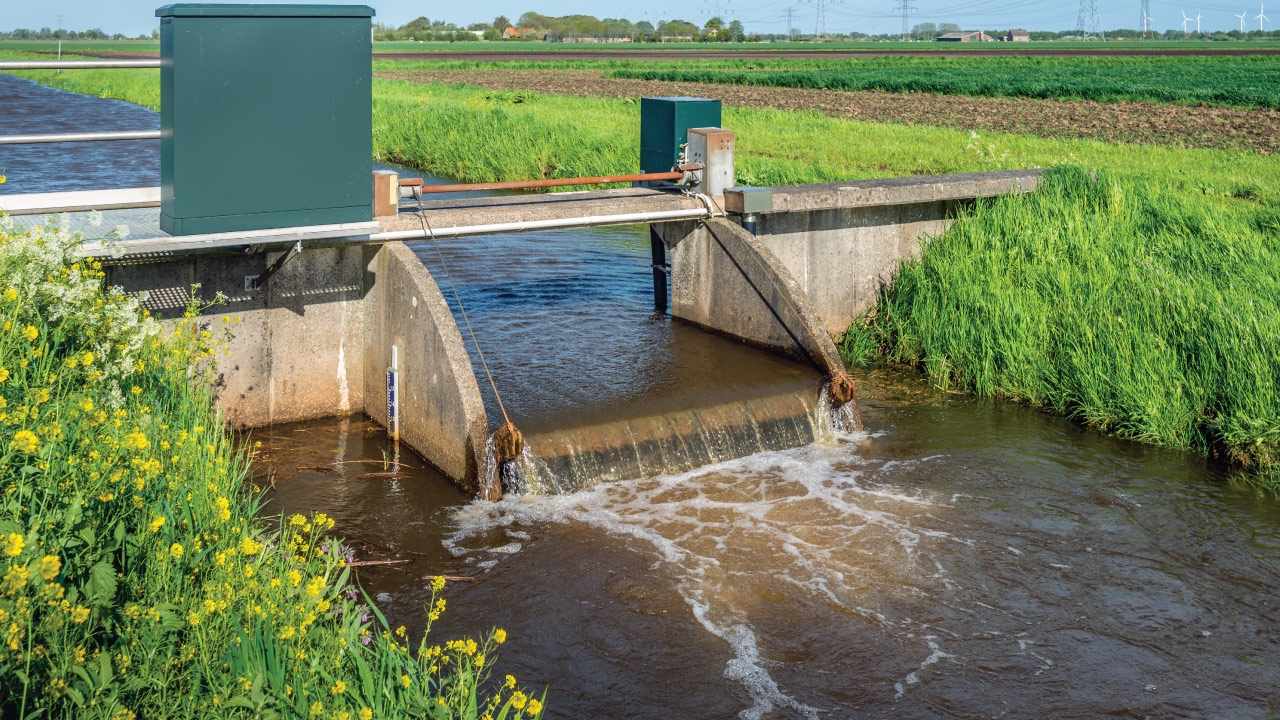
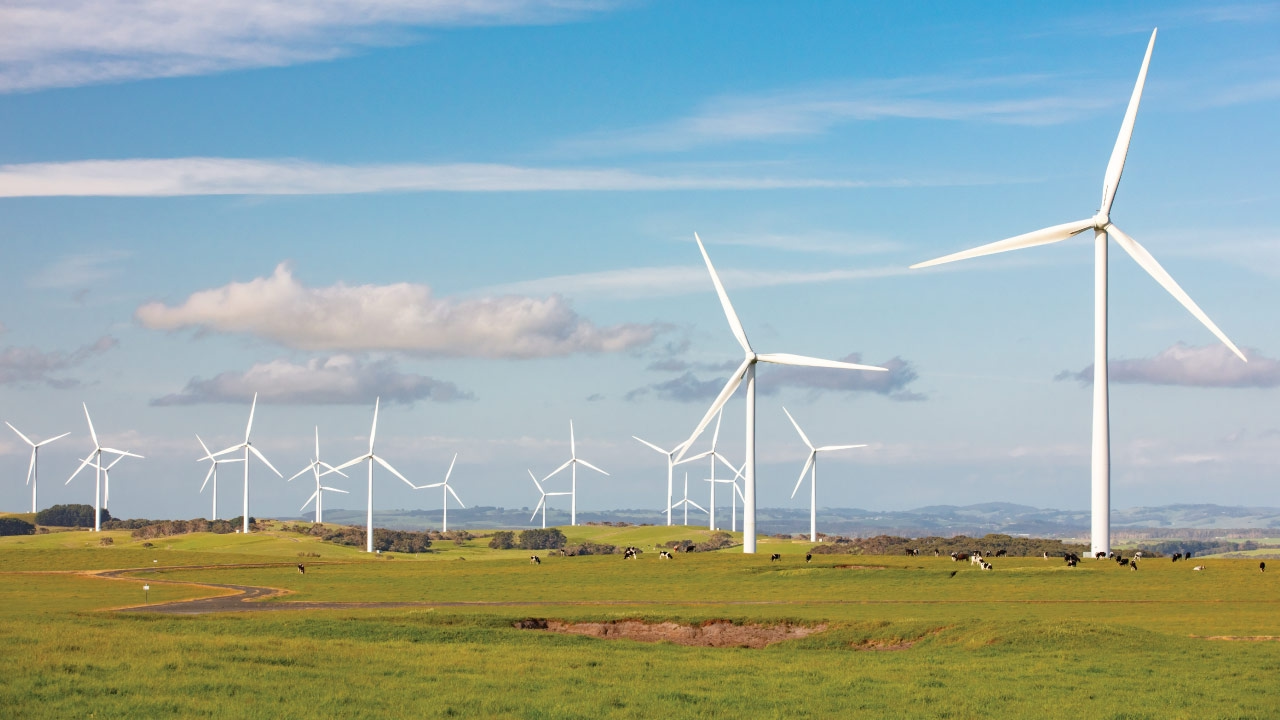
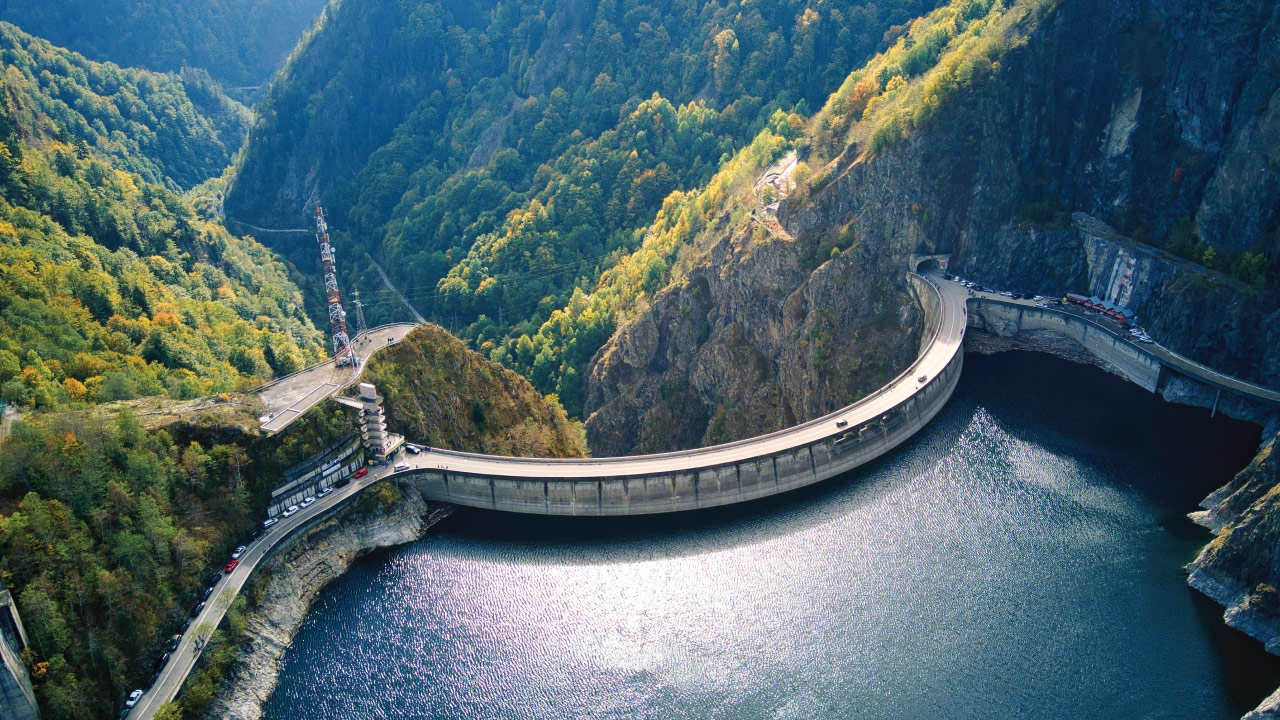
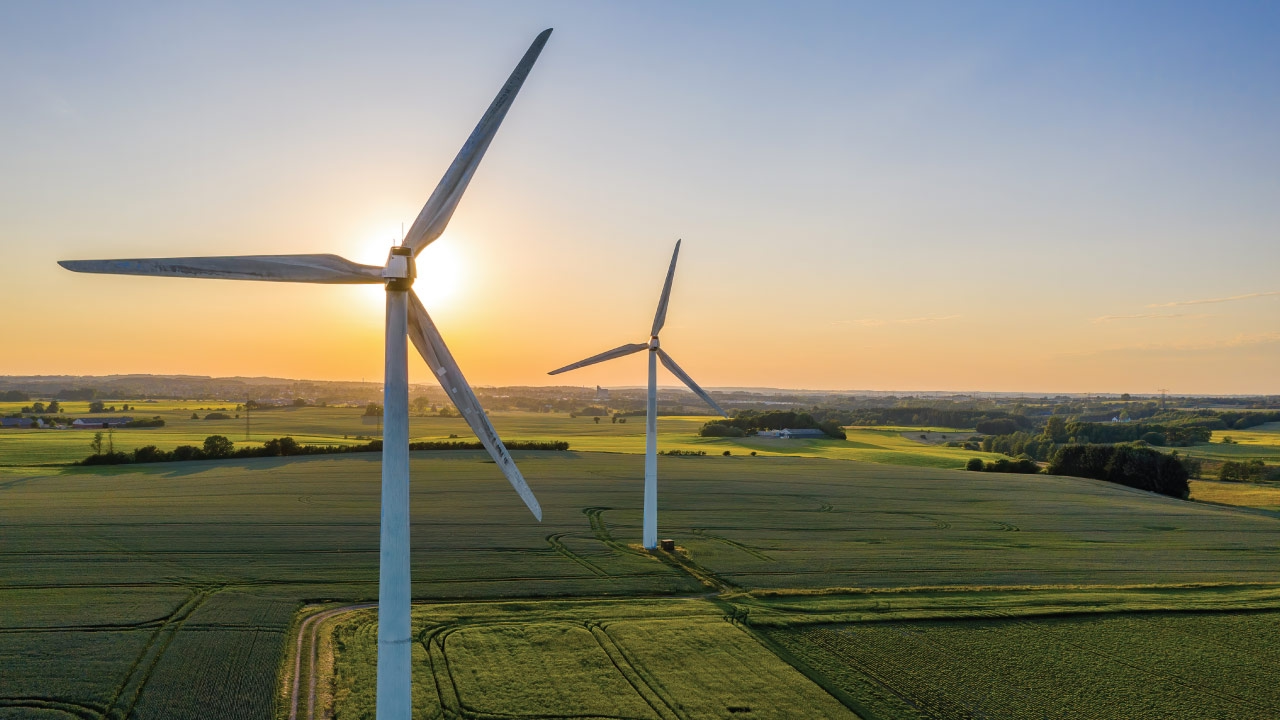
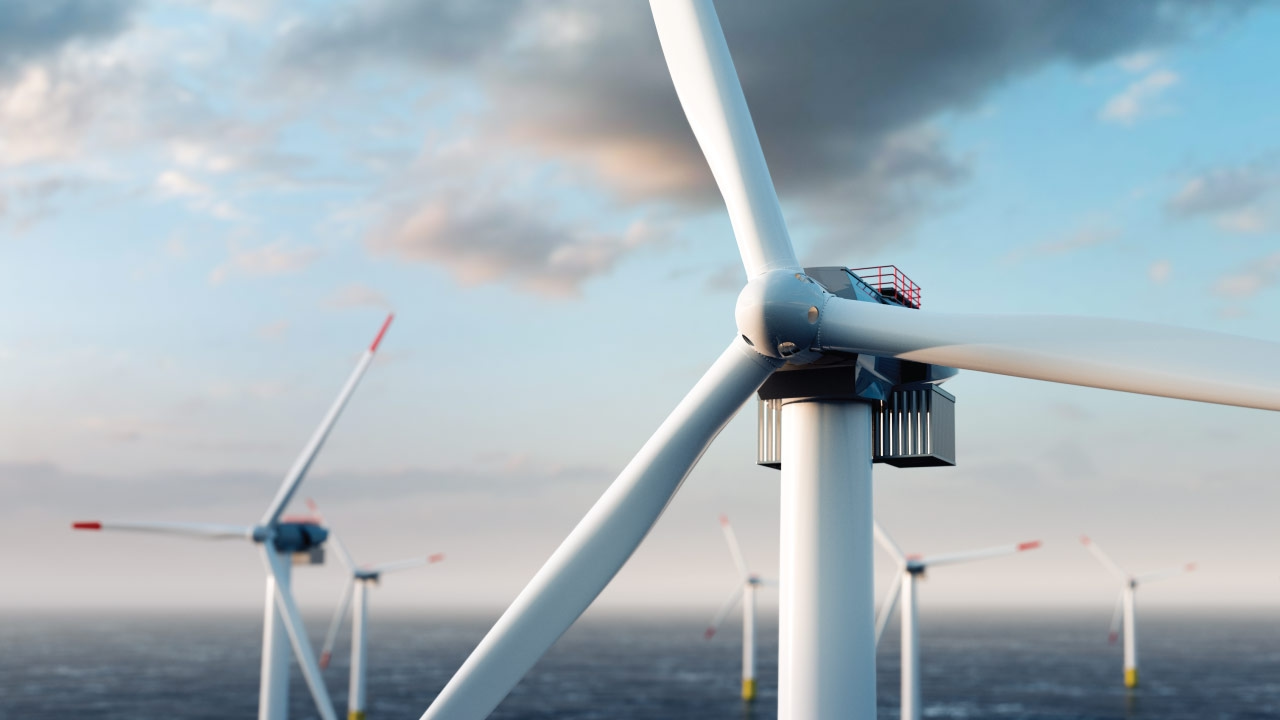
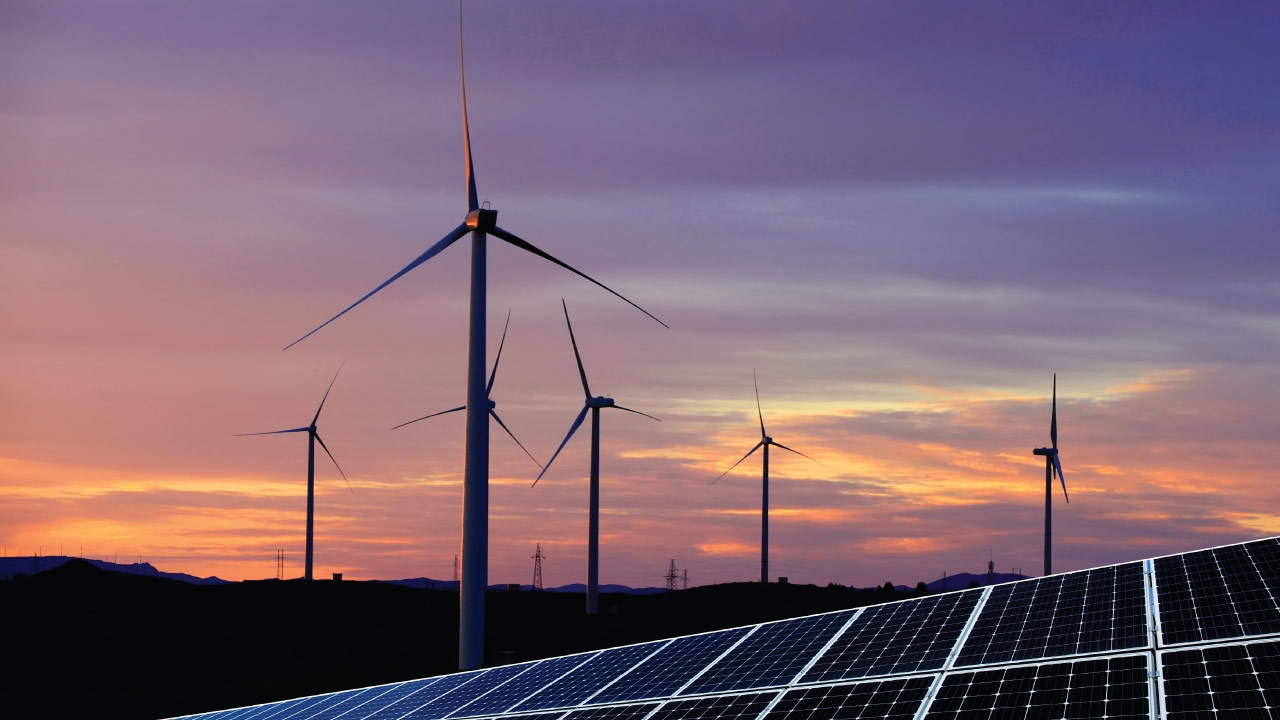
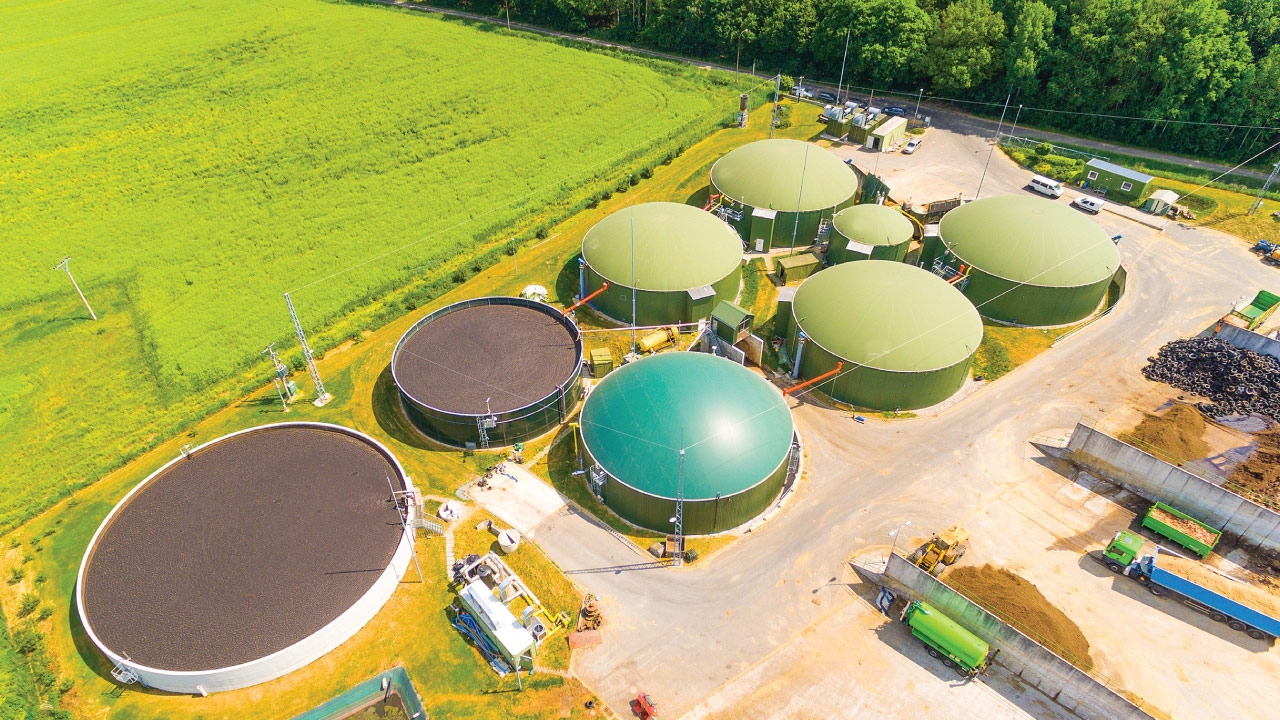
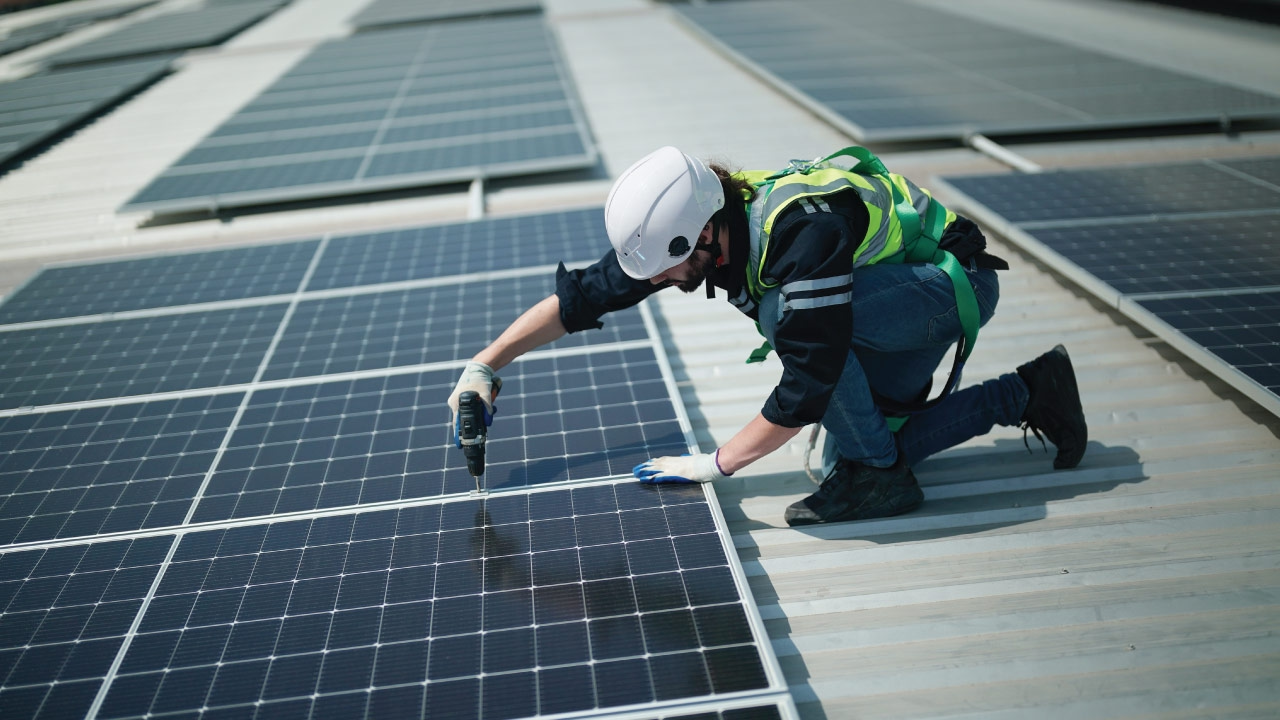
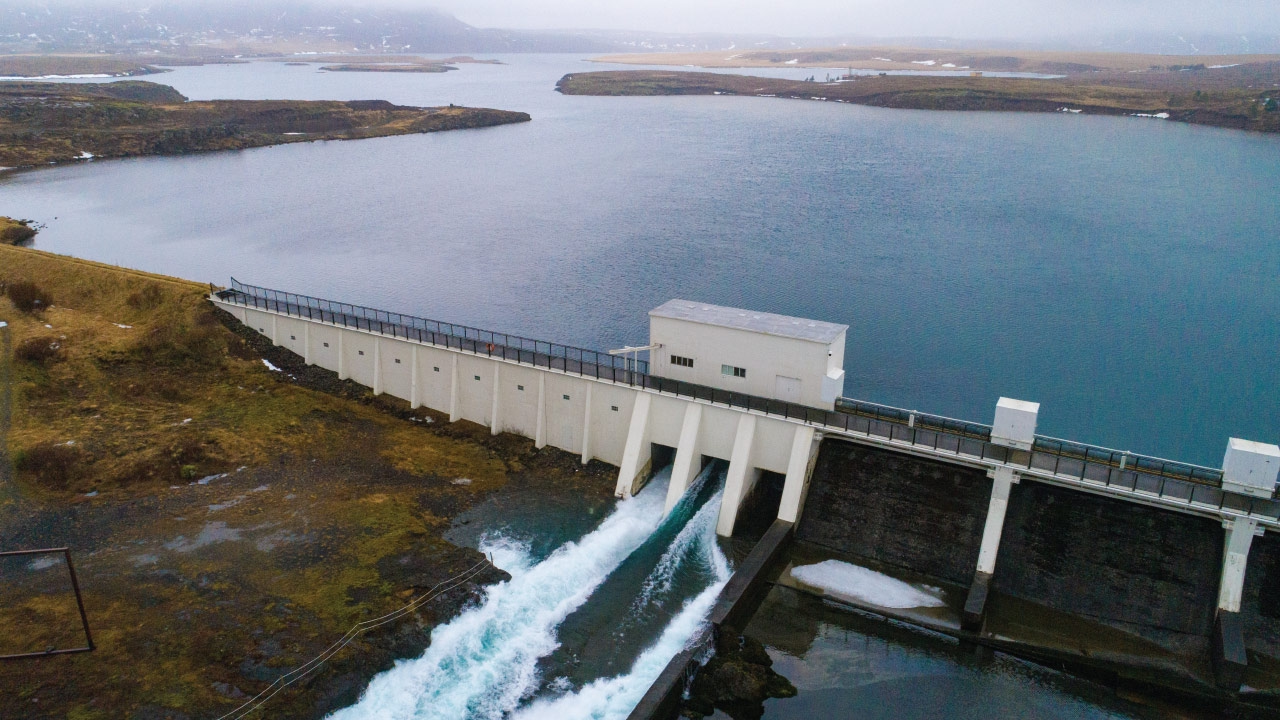
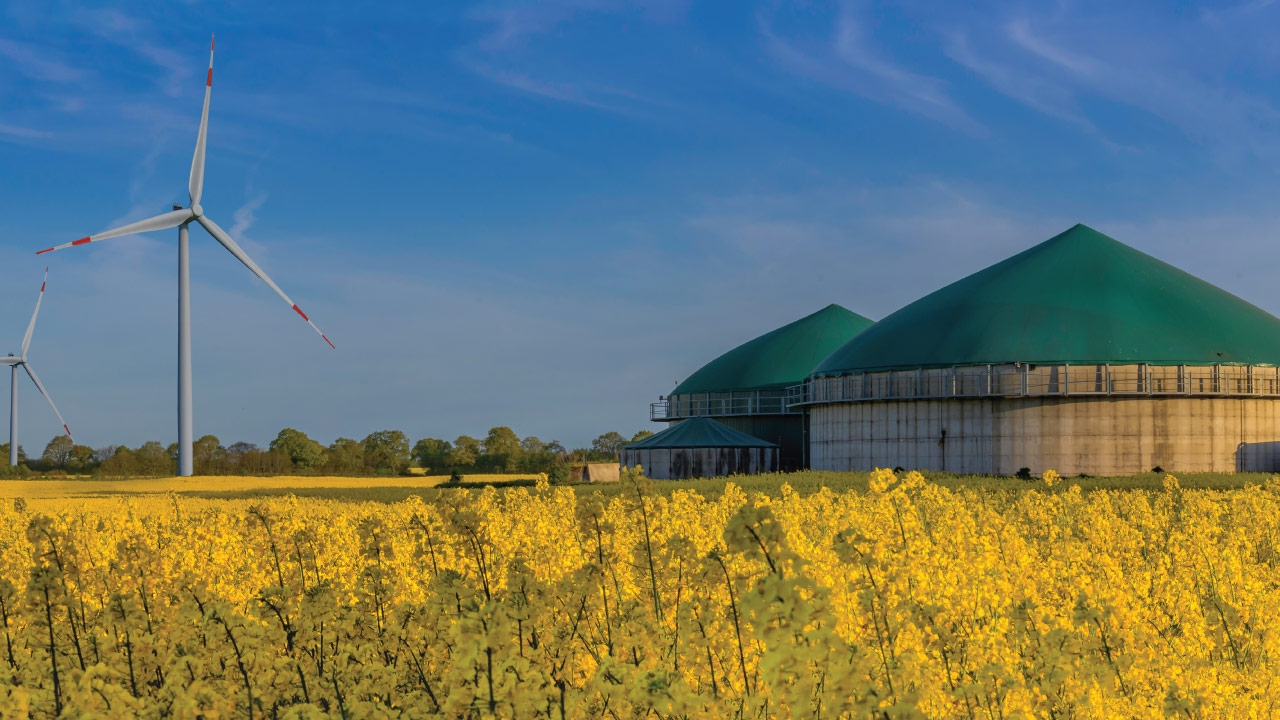
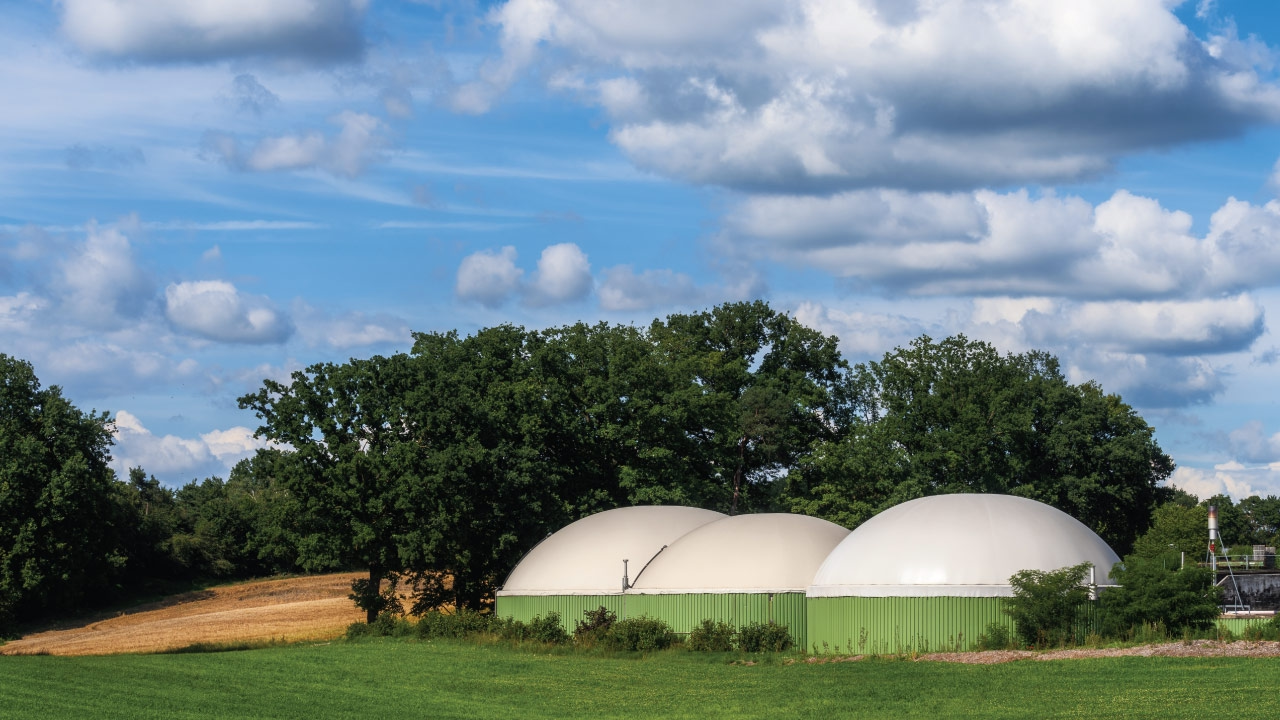
The credits are retired against registered climate projects: biogas and biomass on farms, forest restoration and REDD+, wind, solar, hydro and bio-based construction. The list below is read straight from the IMPT project register.
Descriptions come from the register itself and are published in English. Projects in India are shown first; the rest are in the app.

Buy or gift verified offsets
You do not have to book a room to fund a tonne. Both vouchers live in the IMPT app.
Worth knowing: the offset on a booking is funded by the booking. The vouchers are a separate thing you can buy or give away; a stay does not need one.
Carbon in Gandhinagar: questions
How does the IMPT carbon offset work for a trip?
Every hotel booking made through IMPT funds one tonne of verified CO₂ offset, included in the price and reported for each trip. You do not need to calculate or purchase anything separately.
Is Gandhinagar really one of India's greenest cities?
The city was planned with wide green belts between sectors and is often described as one of India's greenest cities. No official tree-cover figures are available, but the design prioritises green space.
What is district cooling in GIFT City?
District cooling is a centralised system that produces chilled water and distributes it to multiple buildings, using less electricity than individual air-conditioning units. It reduces the carbon footprint of the buildings.
How does the Sabarmati riverfront help with carbon?
The riverside parks and gardens, including Sarita Udyan and Punit Van, contain trees and vegetation that absorb carbon dioxide. The riparian ecosystem also stores carbon in soil and plants.
What is the best time to visit for low-carbon travel?
November to February offers mild temperatures, reducing the need for air-conditioning. This season also coincides with the Vibrant Gujarat Summit in January, if you wish to attend.
Are there electric vehicle options in Gandhinagar?
Ride-share services with electric vehicles may be available, but you should check current availability. The metro is the most reliable low-carbon option for longer journeys.
How does the green belt design reduce carbon?
The green belts between sectors are planted with trees that absorb CO₂ and provide shade, reducing the urban heat island effect. They also encourage walking and cycling.
Can I offset a flight to Ahmedabad through IMPT?
The IMPT offset is included with hotel bookings only. For flights, you may purchase separate offsets from verified providers. The hotel offset covers accommodation and is reported for each trip.
Sources: IMPT project register (platform.impt.io); Gujarat government (Gandhinagar capital project), GMRC (Ahmedabad Metro), GIFT City. Editorial review: 5 November 2026.
Book a room, fund a tonne
Photo credits: Photo on Pexels.