Mumbai from Gandhinagar: where to stay and what to do
A direct flight from Ahmedabad gets you to Mumbai in just over an hour. This guide covers areas to stay, what to do and how to get around.
Getting to Mumbai
Fly from Sardar Vallabhbhai Patel International Airport (AMD) to Chhatrapati Shivaji Maharaj International Airport. Non-stop flights take about 1 hour 10 minutes. Check current schedules, as frequencies vary by season. Carry a government photo ID for the flight. From Mumbai airport, prepaid taxis and app-based cabs are available to all parts of the city. The airport has two terminals: Terminal 2 for most domestic flights and Terminal 1 for some low-cost carriers. Allow at least 30 minutes between terminals by road. Mumbai traffic is heavy; plan transfer time from airport to hotel accordingly.
The metro line from the airport to the city centre is under expansion; check current service. If you are staying near Andheri or the airport, a short cab ride will get you to your hotel. For Colaba or Fort, budget 45 minutes to an hour in a taxi. Book flights in advance, especially during November to February, when demand is highest. Avoid arriving during peak monsoon months unless you are prepared for heavy rain and possible delays.
- Book flights in advance, especially during November to February.
- Mumbai traffic is heavy; plan transfer time from airport to hotel accordingly.
- The metro line from the airport to the city centre is under expansion; check current service.
Areas to stay
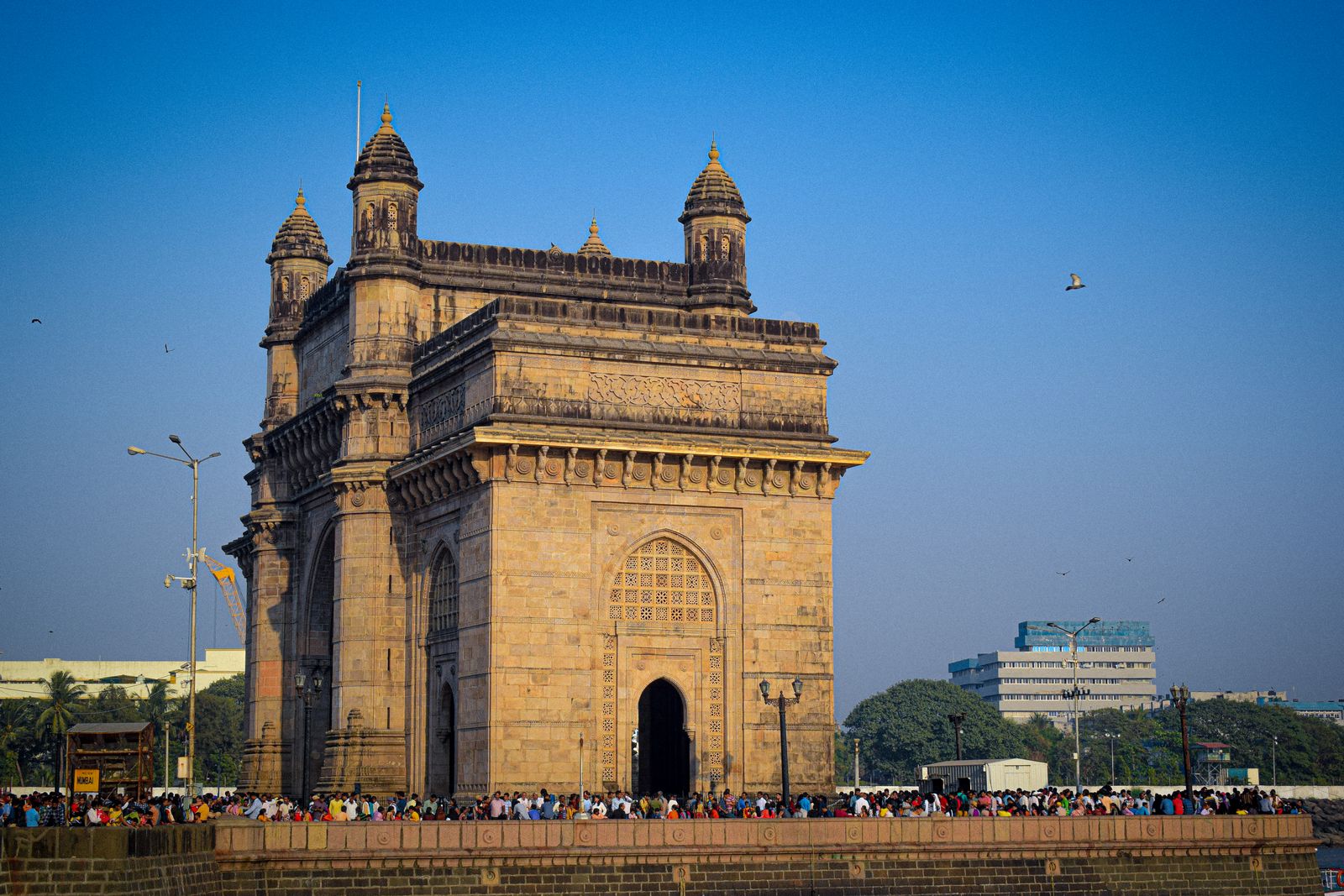
Colaba and Fort are the historic heart of Mumbai. You are close to the Gateway of India, the Taj Mahal Palace Hotel and the Chhatrapati Shivaji Maharaj Terminus. This area suits first-time visitors who want to walk to major sights. Bandra offers a more local, trendy feel with cafes, boutiques and a lively street scene. It is popular with younger travellers and those who enjoy nightlife. Juhu is the beach suburb, known for its long shoreline and film-star homes. It is quieter than the city centre but has good restaurants and a relaxed pace.
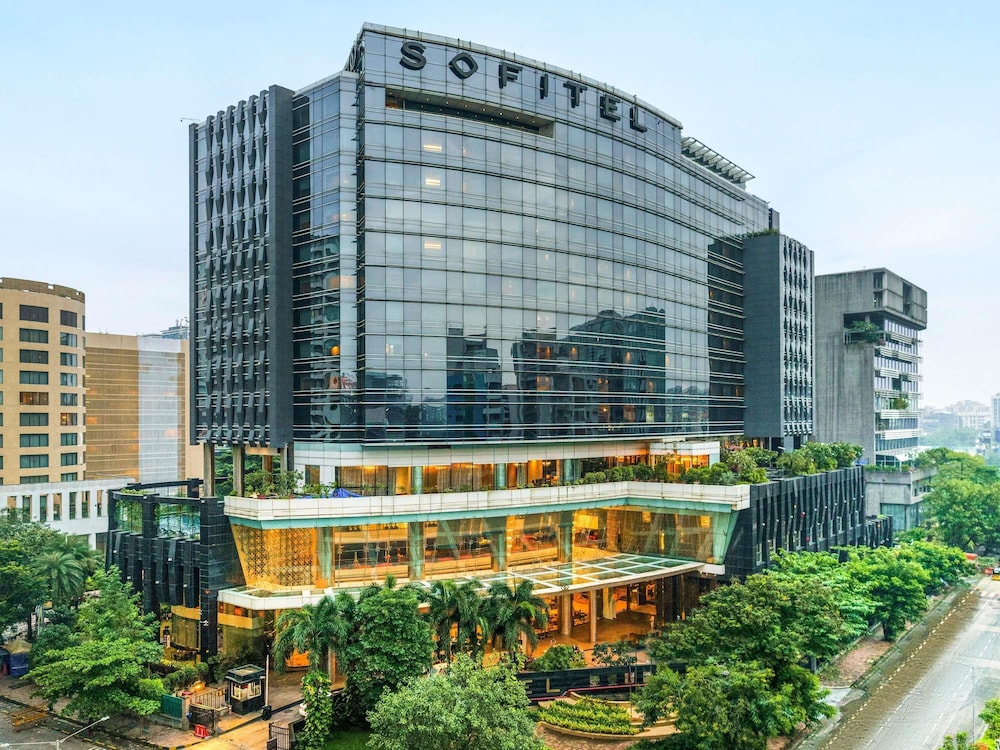
Andheri and the airport area are convenient for early flights or short stopovers. Lower Parel is a modern business district with high-rise hotels, malls and upscale dining. Each area has its own character. Choose Colaba for heritage, Bandra for nightlife, Juhu for a beachside stay, Andheri for convenience and Lower Parel for luxury. Book accommodation in advance during November to February and around major festivals like Diwali or Ganesh Chaturthi.
- Colaba and Fort are best for sightseeing on foot.
- Bandra has good train and bus connections to the rest of the city.
- Juhu is ideal for a beachside stay, but far from the southern sights.
What to do
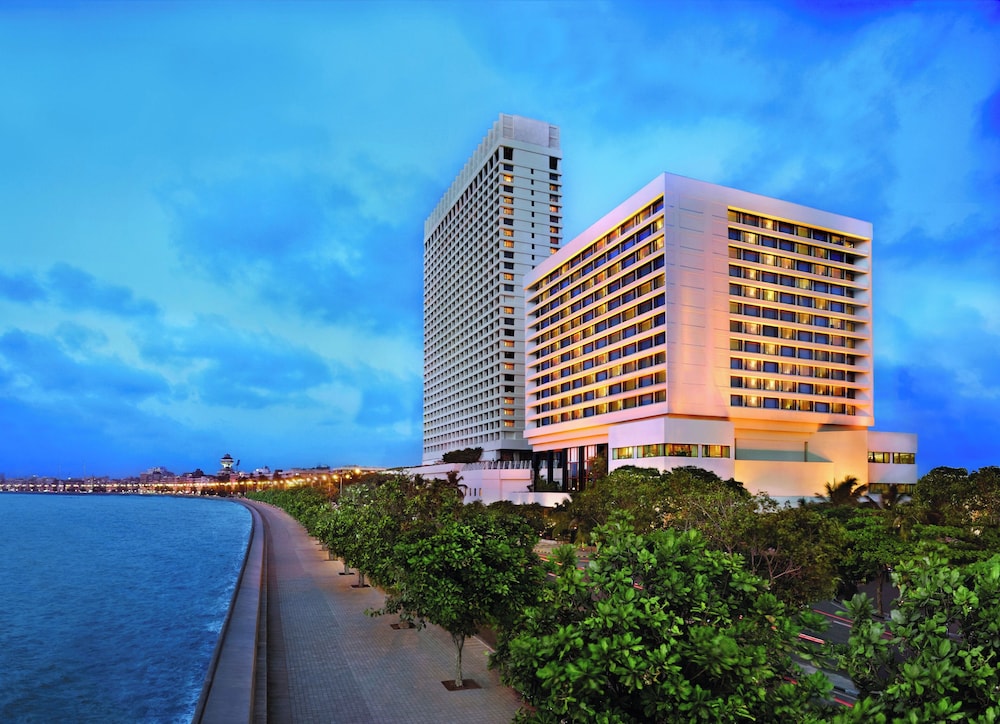
Start with the colonial architecture of the Fort district: the Chhatrapati Shivaji Maharaj Terminus, the Asiatic Society and the Bombay High Court. Walk along the Marine Drive promenade at sunset. Visit the Gateway of India and take a ferry to the Elephanta Caves, a UNESCO site with rock-cut temples. The Chhatrapati Shivaji Maharaj Vastu Sangrahalaya museum has a fine collection of Indian art. For a different side of Mumbai, explore the street art of Bandra, the fishing village of Worli Koliwada and the Dhobi Ghat open-air laundry.
The Sanjay Gandhi National Park in the northern suburbs offers a break from the city. Attend a cricket match at the Wankhede Stadium if the season is right. Evening options include a play at the Prithvi Theatre in Juhu or a walk on Bandra Bandstand. The Elephanta Caves are closed on Mondays, so plan accordingly. Check ferry timings from the Gateway of India. Mumbai also has a gallery scene in Colaba and a street market at Chor Bazaar for antiques and curios.
Food in Mumbai
Mumbai is a street-food capital. Try vada pav (a spicy potato fritter in a bun), pav bhaji (mashed vegetables with bread), bhel puri and sev puri. For a filling meal, order a thali or a biryani. Seafood is popular along the coast: bangda (mackerel) and pomfret are common. Vegetarian options are abundant, from South Indian dosa to Gujarati snacks. For a sit-down meal, explore the Irani cafes of South Mumbai for bun maska and chai. The city has a cafe culture in Bandra and Colaba.
Many restaurants serve regional Indian cuisines, from Punjabi to Kerala. Dessert options include kulfi, falooda and the local speciality, shrikhand. Always drink bottled water and eat at busy stalls for freshness. Street food is best eaten freshly made. Avoid raw salads and cut fruit from street vendors. Mumbai also has a growing number of health-food cafes and juice bars, especially in Bandra and Lower Parel. For a quick breakfast, try a plate of poha or upma from a street vendor.
Getting around
Mumbai's local train network is the backbone of public transport. Western and Central lines connect the suburbs to the city centre. Trains are crowded during peak hours. The Mumbai Metro currently operates on a few lines; check the current network. BEST buses cover most routes and are cheap but slow in traffic. App-based cabs and auto-rickshaws are widely available. Auto-rickshaws are metered and operate only in the suburbs, not in South Mumbai. Black-and-yellow taxis are common in the city centre.
Walking is feasible in compact areas like Colaba and Fort. For longer distances, consider hiring a car with driver for the day. Buy a Mumbai local train smart card to avoid queues. Avoid train travel between 9 am and 11 am and 6 pm to 8 pm. The ferry service from the Gateway of India to Elephanta is a pleasant way to spend a morning. For airport transfers, prepaid taxis are reliable and fixed-fare. Always keep small change for auto-rickshaws and buses.