Malé from Gandhinagar: where to stay and what to do
A practical guide for travellers from Gandhinagar to Malé, covering flights, accommodation, activities, food, and entry rules.

Getting to Malé from Ahmedabad
Fly from Sardar Vallabhbhai Patel International Airport (AMD) to Velana International Airport (MLE). The route involves one stop, typically in Colombo, Dubai, or Mumbai. Total travel time is roughly 4 to 7 hours, depending on the layover. Check current schedules with airlines before booking. The straight-line distance from Ahmedabad to Malé is about 2,100 kilometres. Flights arrive at Velana International Airport, which sits on its own island just east of the capital. From the airport, you reach Malé city by a short ferry ride or via the Sinamalé Bridge, which connects the airport island to Hulhumalé and Malé.
The ferry from the airport to Malé runs frequently and takes about 10 minutes. Taxis are also available and use the bridge. For those staying in Hulhumalé, a bus or taxi from the airport is convenient. The bridge has made travel between the airport, Hulhumalé, and Malé straightforward. Plan your transfer based on your accommodation location. Always confirm the latest ferry and bus schedules upon arrival, as timings can change seasonally.
Areas to stay in Malé and beyond
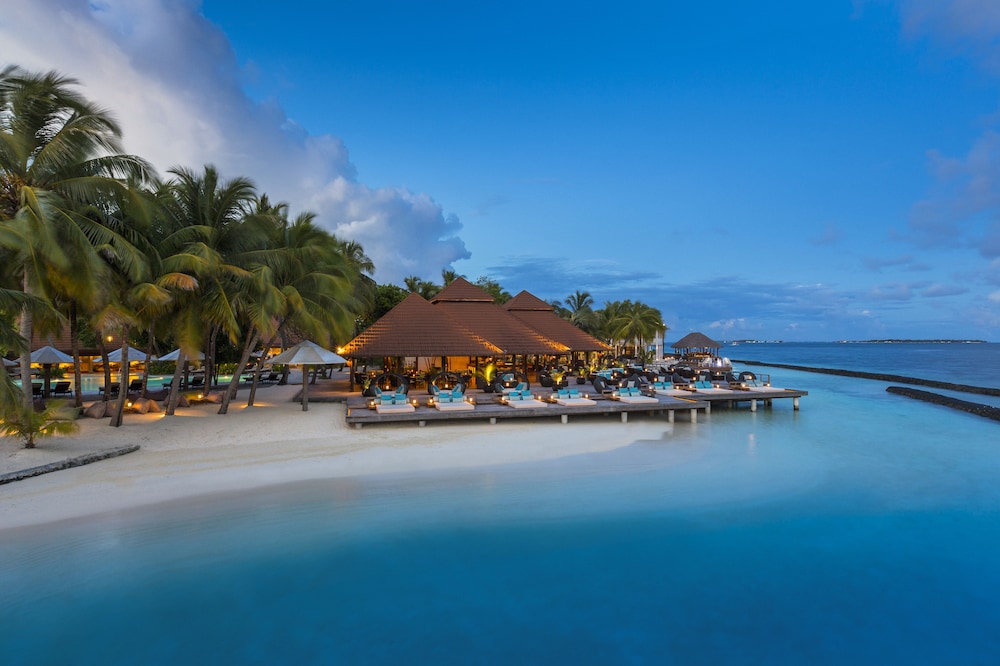
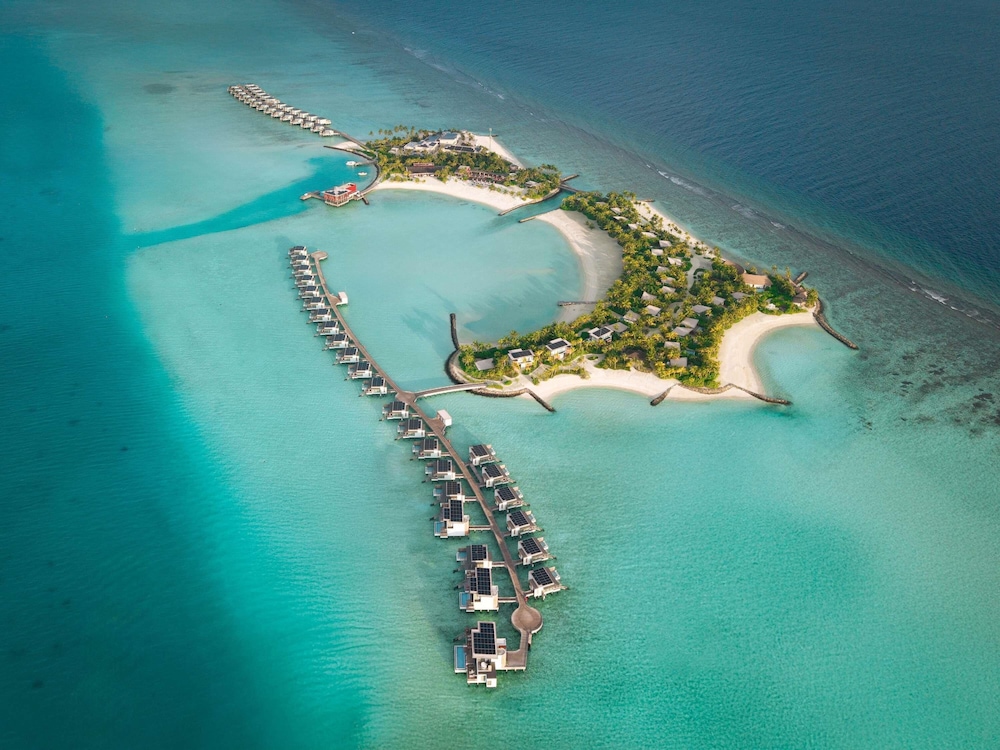
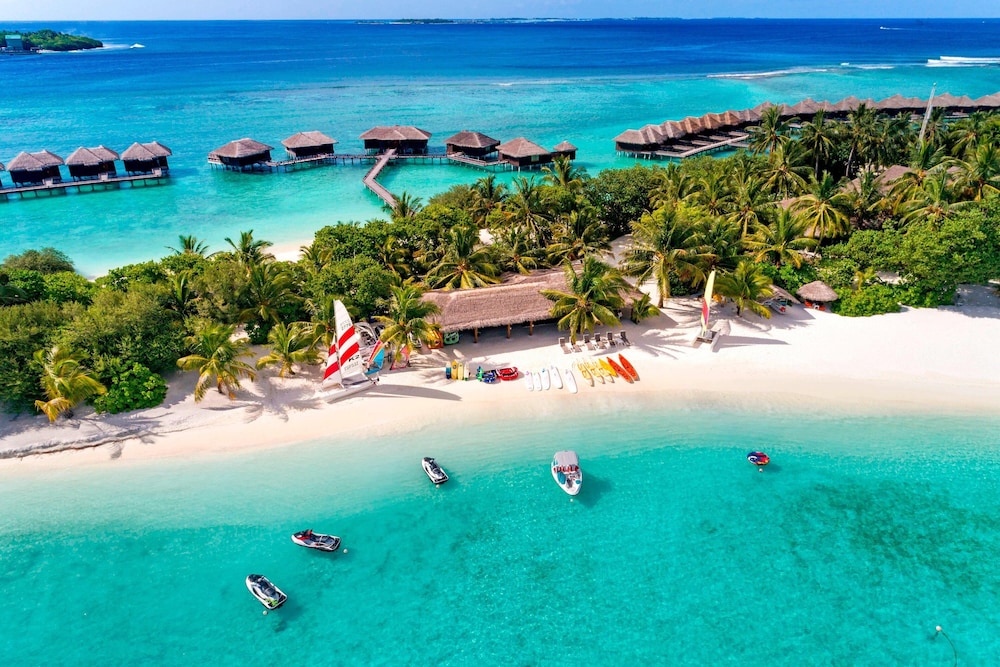
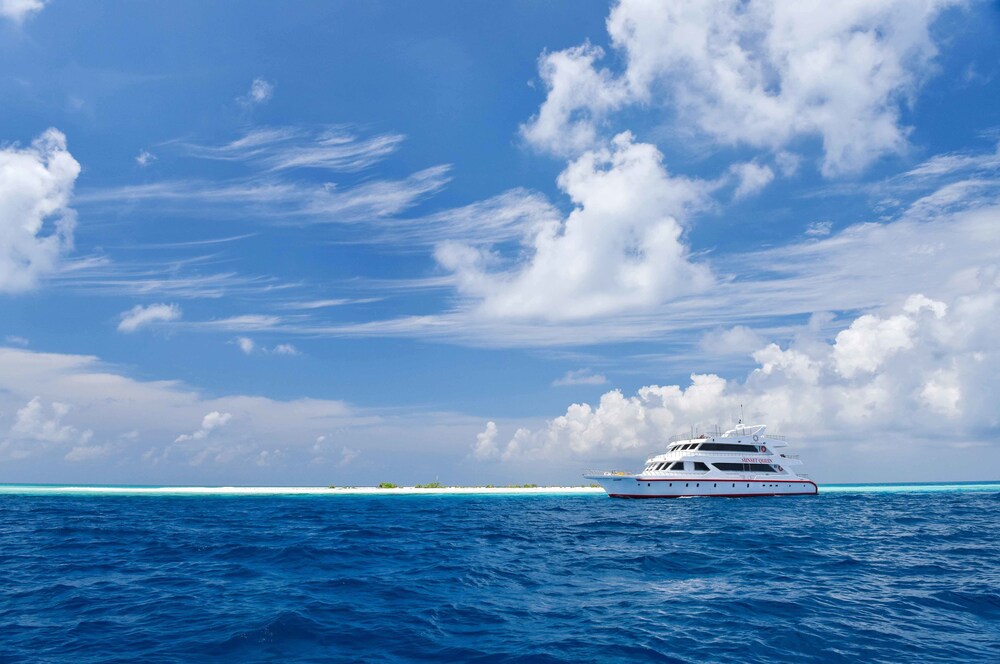
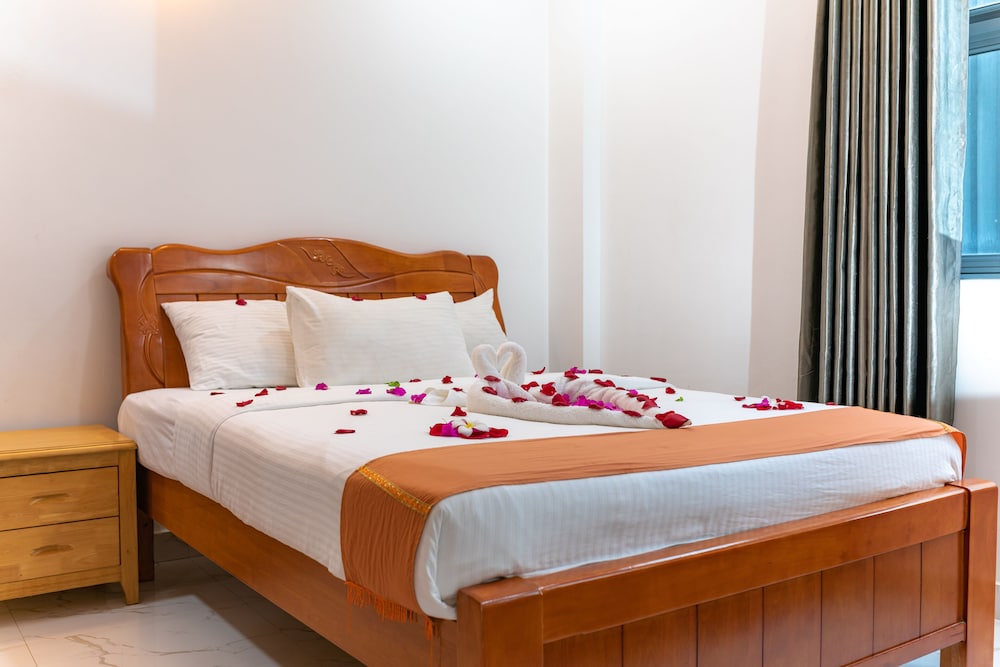
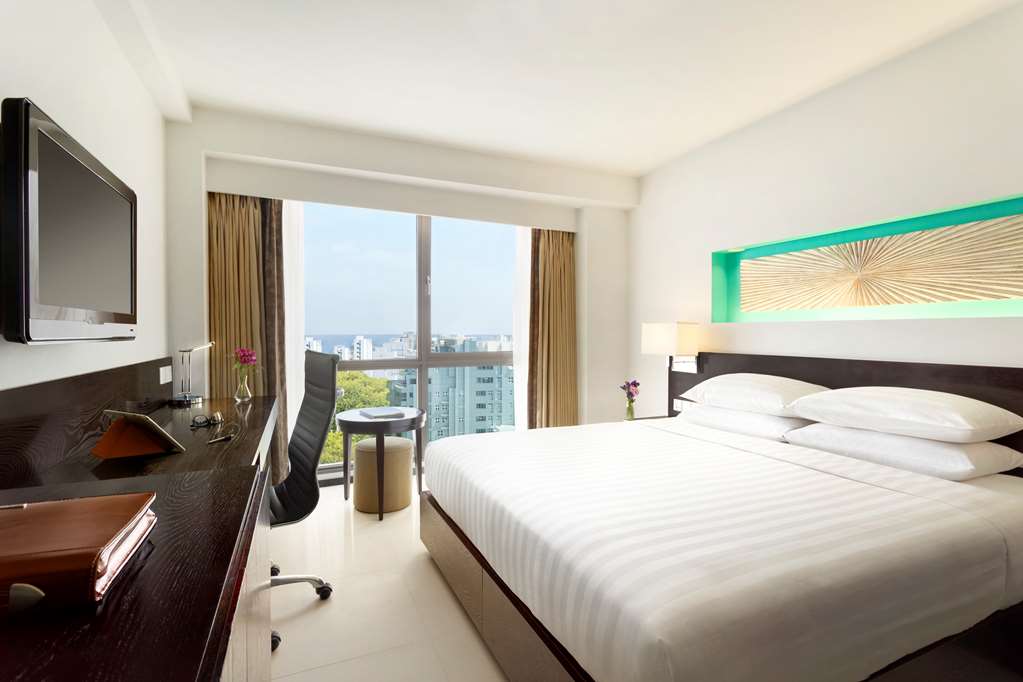
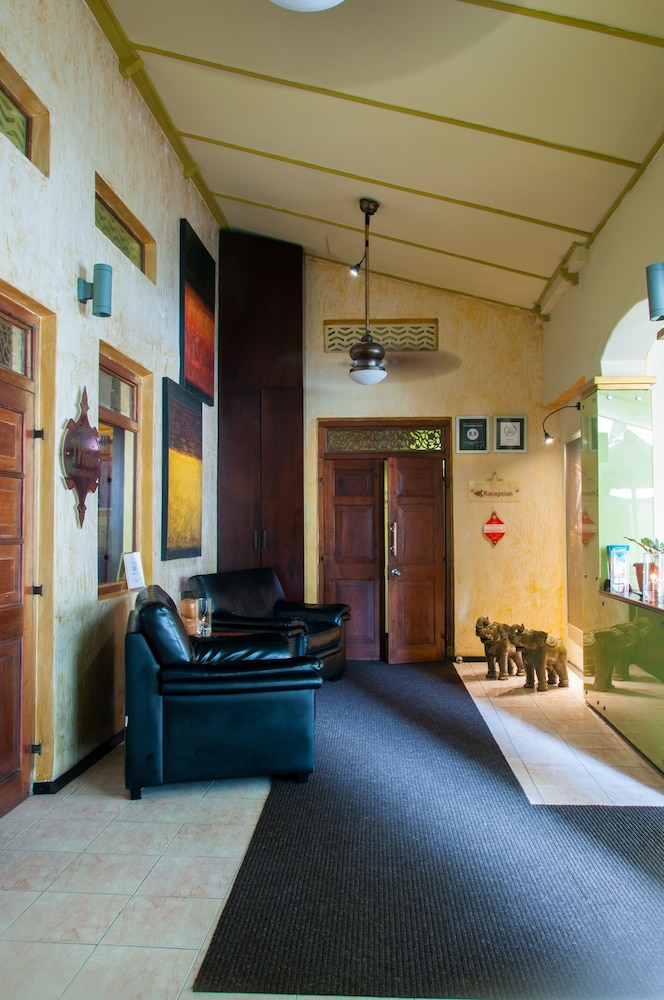
Malé city is compact and walkable, with guesthouses and small hotels near the waterfront and local markets. Staying here puts you close to restaurants, shops, and the ferry terminals. Hulhumalé, a reclaimed island connected by the Sinamalé Bridge, offers more modern accommodation and a quieter atmosphere. It is about 15 minutes from the airport by taxi or bus. For a resort experience, consider the islands of North Malé Atoll, reachable by a 20- to 40-minute speedboat ride from the airport. These resorts offer overwater villas, private beaches, and diving centres.
Many travellers combine a few nights in Malé or Hulhumalé with a stay on a resort island. This allows you to experience both the local capital life and the secluded resort atmosphere. Book accommodation before arrival to satisfy visa requirements. Each area has its own character: Malé for convenience and culture, Hulhumalé for modernity and calm, and the atoll resorts for luxury and water sports. Consider your priorities when choosing where to base yourself.
- Malé city: central, walkable, close to ferry terminals and markets.
- Hulhumalé: modern, quieter, near the airport and the bridge.
- North Malé Atoll: resorts, speedboat access, private beaches.
What to do in Malé
Malé is a small but lively capital. Visit the Old Friday Mosque (Hukuru Miskiy), built in 1656 from coral stone, and the nearby Islamic Centre with its golden dome. The National Museum in the Sultan Park displays artefacts from the sultanate era. Walk along the waterfront at Boduthakurufaanu Magu, where fishing boats and dhoni boats line the harbour. Explore the local fish market and the fruit and vegetable market near the harbour. Both are busy in the early morning and late afternoon.
The artificial beach on the eastern side of the island is a place to relax, though swimming is limited. For a view of the city and the atoll, climb the 17-storey tower of the Islamic Centre (check opening times). The city also has several small parks and local shops selling souvenirs and crafts. A walk around the narrow streets reveals traditional houses and mosques. The harbour area is lively in the evenings when fishing boats return. Plan your sightseeing around the cooler parts of the day.
Food in Malé
Maldivian cuisine relies on tuna, coconut, and rice. Try mas huni, a breakfast dish of shredded smoked tuna mixed with grated coconut, onion, and chilli, served with flatbread (roshi). Garudhiya is a clear fish broth, often eaten with rice, lime, and chilli. For snacks, look for bajiya (deep-fried pastry stuffed with fish and coconut) and kulhi borkibaa (fish cake). Curries are common, usually made with tuna or chicken, and flavoured with coconut milk, curry leaves, and pandan.
Short eats (hedhikaa) are small fried or steamed items sold in tea shops. Malé has many small eateries and cafés serving local and international food. Vegetarian options are limited; most dishes contain fish. Ask for vegetarian versions where possible. The local markets also offer fresh tropical fruits like papaya, mango, and coconut. Drinking fresh coconut water is a good way to stay hydrated. Street food is available near the harbour and market areas, especially in the evenings.
- Mas huni: smoked tuna, coconut, onion, chilli, with roshi.
- Garudhiya: clear fish broth with rice, lime, and chilli.
- Bajiya: deep-fried pastry with fish and coconut filling.
Getting around Malé and practical tips
Malé is small enough to explore on foot. Taxis are available for longer trips within the island; fares are fixed but check before boarding. For trips to Hulhumalé or the airport, use the public bus or a taxi via the Sinamalé Bridge. Ferries and speedboats connect Malé to resort islands and local islands; schedules vary, so check at the terminal. The Maldives is a Muslim country. Dress modestly in Malé and on inhabited islands: cover shoulders and knees.
Alcohol is prohibited on local islands but available in resort islands and on liveaboard boats. Tap water is not safe to drink; use bottled or filtered water. The local currency is the Maldivian rufiyaa, but US dollars are widely accepted. Carry small notes for markets and taxis. Sunscreen and a hat are essential year-round. The sun is strong even on cloudy days. A waterproof bag is useful for boat transfers. Check the current weather forecast before planning boat trips, especially during the monsoon season.