Colombo from Gandhinagar: where to stay and what to do
A practical guide for travellers from Gandhinagar to Colombo, covering flights, areas to stay, things to do, food, and entry rules.

Getting there from Ahmedabad
From Sardar Vallabhbhai Patel International Airport (AMD) in Ahmedabad, you fly to Colombo's Bandaranaike International Airport. The route involves one stop, with total travel time roughly 4 to 7 hours depending on the layover. Check current schedules and airlines before booking, as timings and connections change frequently. Most flights connect via a hub such as Chennai, Bengaluru or Mumbai, so plan for a stopover.
The straight-line distance between AMD and Colombo is about 1,960 kilometres. Direct flights are not available from Ahmedabad, so a connection is always required. Always confirm the latest flight options and transit requirements with the airline or a travel agent. Keep in mind that the total journey includes time at the connecting airport, which can vary from a short wait to several hours. Carry essentials in your hand luggage in case of delays.
For the return journey, the same route applies. Book round-trip tickets to get better fares, but compare options. Check baggage allowances and visa requirements for any transit country, though most connections are within India or Sri Lanka. If you have a long layover, consider using airport lounges or rest areas. Always arrive at AMD at least two hours before an international departure.
Areas to stay in Colombo
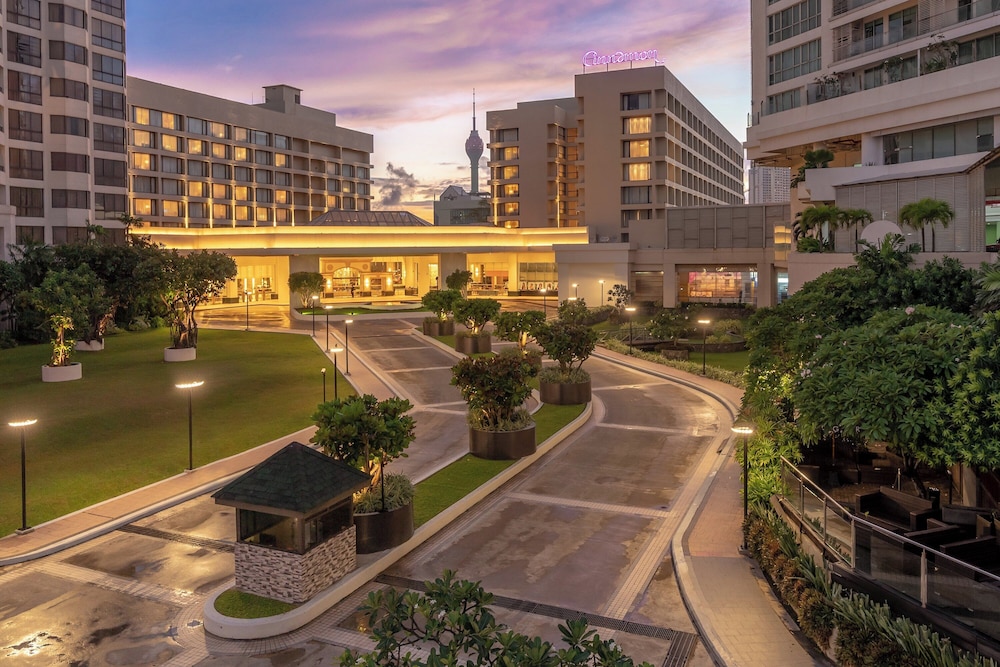
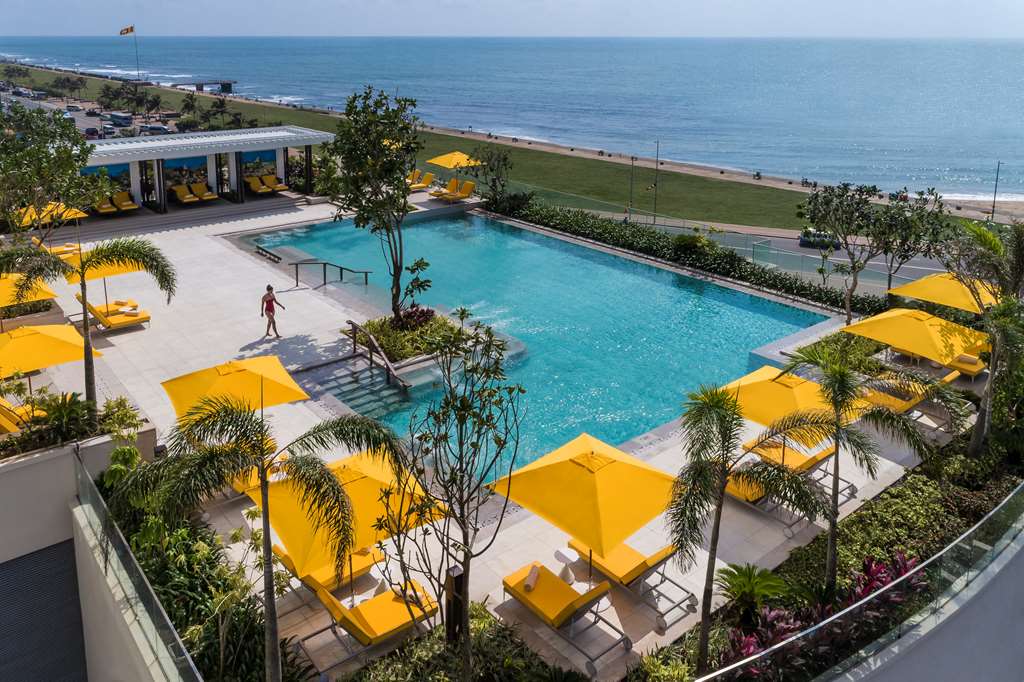
Colombo offers several distinct areas for accommodation. Colombo Fort is the historic heart, with colonial buildings, the Galle Face Green promenade, and the Pettah market. It is convenient for sightseeing but can be busy and noisy. Kollupitiya is a more upscale neighbourhood with a mix of hotels, restaurants and shops, close to the coast and the road south to Galle. It is a good base for those who prefer a quieter, more comfortable environment.
Negombo, near the airport, is a practical choice for a first or last night. It has a beach, fishing harbour and easy access to the airport, making it ideal for transit travellers. Each area suits different needs: Fort for history and walkability, Kollupitiya for comfort and dining, Negombo for convenience and proximity to the airport. Consider your itinerary and transport preferences when choosing. If you plan to explore Colombo's sights, staying in Fort or Kollupitiya reduces travel time.
- Colombo Fort: colonial architecture, Galle Face Green, Pettah market.
- Kollupitiya: upscale, restaurants, shops, near the coast.
- Negombo: near airport, beach, fishing harbour, good for transit.
What to do in Colombo
Colombo has a mix of colonial-era buildings, temples, markets and green spaces. Walk along Galle Face Green, a long oceanfront promenade popular at sunset. Explore the Fort area for Dutch and British architecture, including the old Dutch Hospital and the Colombo Lighthouse. Visit the Pettah market for a lively bazaar experience with textiles, spices and electronics. The area is chaotic but gives a real sense of local life.
For cultural sights, see the Gangaramaya Temple, a Buddhist temple with a museum and a Bodhi tree. The National Museum of Colombo offers exhibits on Sri Lankan history and art, including royal regalia and ancient artefacts. Viharamahadevi Park is a large public park with a children's area and a Buddha statue, good for a relaxed stroll. The road south from Fort leads to Galle, a historic fort city about two hours away, worth a day trip for its ramparts, lighthouse and colonial streets.
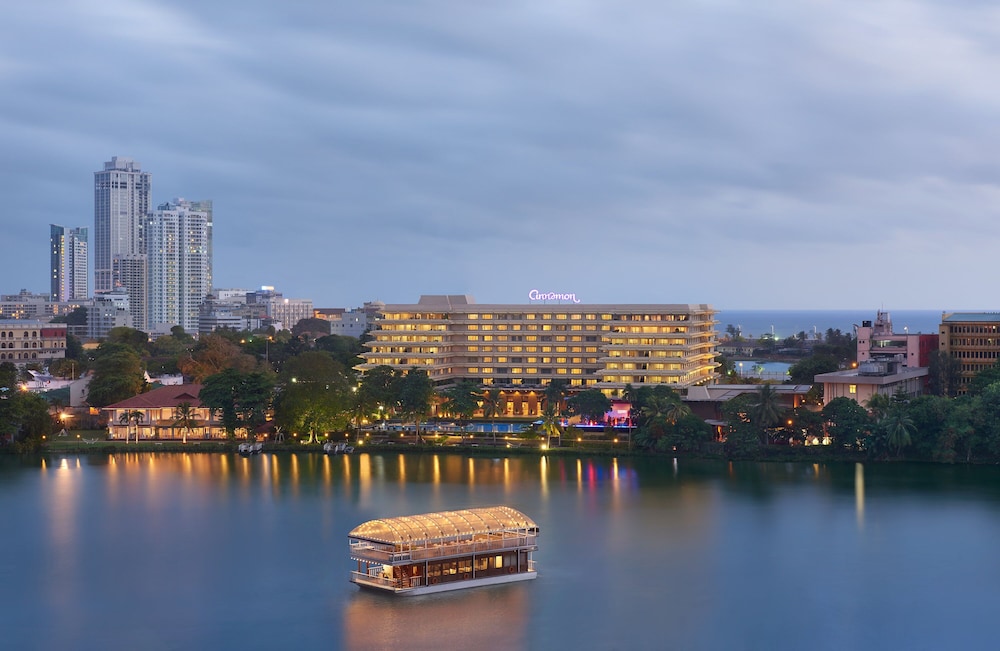
Other options include the Jami Ul-Alfar Mosque, known for its red-and-white striped facade, and the Colombo Dutch Museum, housed in a 17th-century building. For a quieter experience, visit the Beira Lake or the floating temple on its waters. The city also has several art galleries and craft shops. Plan your days around the heat: do outdoor activities in the morning or late afternoon, and visit museums or indoor attractions during midday.
- Galle Face Green: sunset walks, street food vendors.
- Pettah market: textiles, spices, electronics, local life.
- Gangaramaya Temple: Buddhist temple, museum, Bodhi tree.
- National Museum: Sri Lankan history, art, artefacts.
- Day trip to Galle: colonial fort, lighthouse, cafes.
Food in Colombo
Sri Lankan cuisine shares similarities with South Indian food but has its own character. Rice and curry is the staple, with a variety of vegetable, lentil and fish curries. Kottu roti, a stir-fry of shredded flatbread with vegetables, egg and meat, is a popular street dish. String hoppers (idiyappam) and hoppers (appa), bowl-shaped rice flour pancakes, are eaten for breakfast or dinner, often with curry or sambol.
Seafood is abundant along the coast; try fish ambul thiyal (sour fish curry) or jumbo prawns. Sweets include wattalapam (a coconut custard) and kavum (oil cakes). Colombo has many eateries, from street stalls to casual restaurants. Vegetarian options are widely available, though many dishes use fish or meat. Always drink bottled water and eat freshly cooked food to avoid stomach issues. Ask for local recommendations, but be cautious with very spicy dishes if you are not used to them.
For a quick snack, try isso vade (prawn fritters) or vegetable roti from roadside vendors. Many restaurants offer a 'rice and curry' meal with several small dishes, which is a filling and authentic experience. Breakfast often includes hoppers with a runny egg in the centre, accompanied by coconut sambol. Lunch is typically the main meal, so plan for a hearty midday break. Keep meals light in the evening if you have an early flight.
Getting around and practical tips
Colombo has a public bus network, tuk-tuks (three-wheelers) and taxis. Tuk-tuks are common for short trips; agree on the fare before starting. Ride-hailing apps are also available and provide upfront pricing, which is safer and more predictable. The train network connects Colombo to other cities, including the coastal line to Galle, which is scenic and cheap. For airport transfers, consider a pre-booked taxi or a bus to the city centre.
Practical tips: carry a photocopy of your passport and visa separately. The currency is the Sri Lankan rupee; exchange money at authorised counters or ATMs. Dress modestly when visiting temples: cover shoulders and knees. Remove shoes before entering temples. The best time for the west coast, including Colombo, is December to March, when the weather is dry and pleasant. Monsoon runs from May to September, so avoid that period for beach activities.
Use sunscreen and insect repellent. Tap water is not safe to drink; use bottled or filtered water. Keep small change for tuk-tuks and street food. Be cautious with street food hygiene; choose vendors with high turnover. For longer trips, consider hiring a car with a driver for the day, which is common and affordable. Always keep your hotel's address and phone number written down in case you get lost.
- Tuk-tuks: negotiate fare before the ride.
- Ride-hailing apps: convenient, upfront pricing.
- Trains: coastal line to Galle, scenic route.
- Airport transfer: pre-booked taxi or bus.