London from Gandhinagar: where to stay and what to do
A guide for travellers from Gandhinagar to London, covering flights, accommodation, sightseeing, food and visa requirements.

Getting there from AMD
Flights from Ahmedabad to London are limited or seasonal. Some airlines operate non-stop services, but most journeys require a connection. The flight time from AMD is roughly 9 hours 30 minutes on a non-stop route. Always check current schedules and book well in advance. Consider airlines that fly via hubs such as Dubai, Doha or Istanbul for more options.
London has several airports. Heathrow and Gatwick are the main international hubs. Stansted, Luton and London City also receive flights from Europe and elsewhere. From Heathrow, the Heathrow Express and the London Underground connect to central London. From Gatwick, the Gatwick Express and Thameslink trains run frequently. Plan your airport transfer based on your final destination in the city.
- Check visa requirements before booking flights.
- Allow at least 3 hours for check-in and security at AMD.
- Consider travel insurance for the journey.
- Book flights at least 8–10 weeks ahead for better availability.
Areas to stay
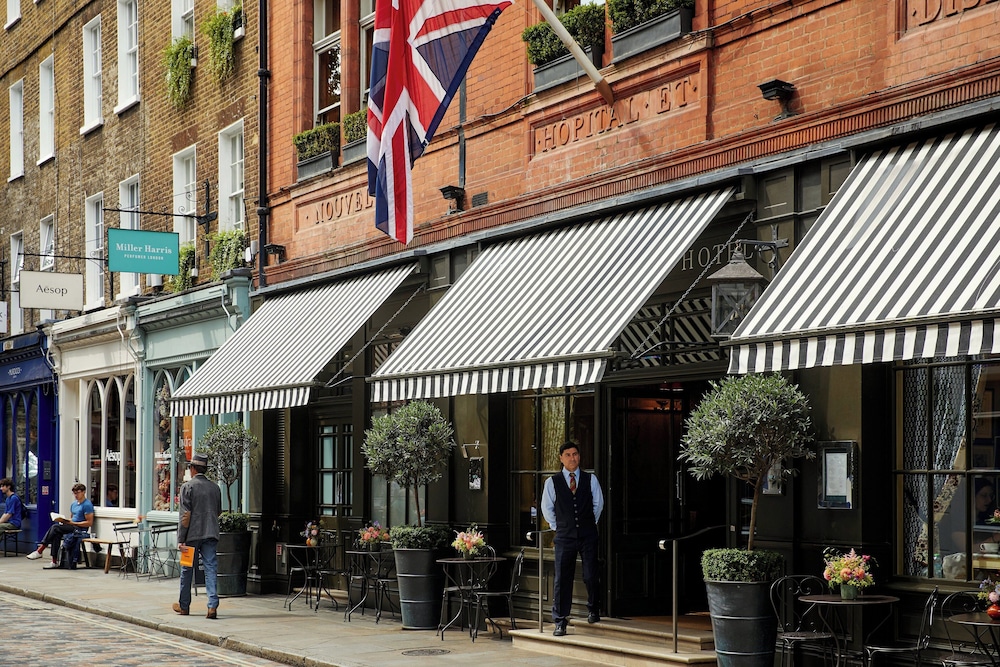
Westminster is central and close to the Houses of Parliament, Big Ben and the London Eye. It is busy and expensive, but convenient for first-time visitors. Covent Garden offers theatres, shops and restaurants in a lively area. It is well connected by tube and bus. Kensington is a quieter, residential area with museums and parks. King’s Cross is a transport hub with the Eurostar and good tube links.
Heathrow itself has hotels near the airport, useful for late arrivals or early departures. Each area has its own character and price range. Choose accommodation near a tube station for easy access to the rest of the city. Consider your itinerary: if you plan to visit museums, stay in South Kensington; for nightlife, look at Soho or Shoreditch.
- Westminster: landmarks and river views.
- Covent Garden: theatres and dining.
- Kensington: museums and gardens.
- King’s Cross: transport and connectivity.
- Heathrow: airport convenience.
What to do
London has many free museums. The British Museum, the National Gallery and the Tate Modern are open to all. The Natural History Museum and the Science Museum are in South Kensington. Many museums have permanent collections that do not require a ticket. Check for special exhibitions that may charge an entry fee. Plan your visit on weekdays to avoid crowds.
Parks are a major attraction. Hyde Park, Regent’s Park and St James’s Park offer green space in the city. The South Bank has a walking path along the Thames, with views of the London Eye, Shakespeare’s Globe and Tower Bridge. The Tower of London and Buckingham Palace are historic landmarks. The Changing of the Guard ceremony takes place at Buckingham Palace on certain days; check the schedule.
- Visit the British Museum for world history.
- Walk along the South Bank for river views.
- Explore Hyde Park and Kensington Gardens.
- See the Changing of the Guard at Buckingham Palace.
Food and drink
London has a large South Asian community. You will find Indian, Pakistani, Bangladeshi and Sri Lankan restaurants across the city. Dishes include chicken tikka masala, biryani, dosa, samosas and chaat. Brick Lane in East London is known for its curry houses, but many other neighbourhoods also offer good options. Southall in West London has a strong Punjabi influence and many vegetarian restaurants.
British food includes fish and chips, Sunday roasts, pies and full English breakfasts. Afternoon tea is a popular experience. Markets such as Borough Market and Camden Market sell street food from around the world. Vegetarian and vegan options are widely available. Try a Sunday roast at a pub for a traditional British meal. The city also has many international cuisines, from Italian to Japanese.
Getting around and practical tips
London has an extensive public transport system. The London Underground, buses, trams and overground trains cover most of the city. An Oyster card or contactless payment card works on all services. Taxis and ride-hailing apps are also available. Walking is often the best way to explore central areas. Download the TfL Go app for real-time travel information and service updates.
The city is generally safe for tourists, but take normal precautions against pickpocketing in crowded areas such as tube stations and tourist attractions. Keep your belongings secure and avoid poorly lit streets at night. Tipping is not mandatory but is appreciated in restaurants (10–15%) and for taxi drivers. The weather is variable; carry an umbrella and layers. The voltage is 230 V, and plugs are three-pin rectangular (Type G).
- Use an Oyster card for cheaper fares.
- Check the TfL website for service updates.
- Keep valuables secure in crowded areas.
- Carry a reusable water bottle; tap water is safe.