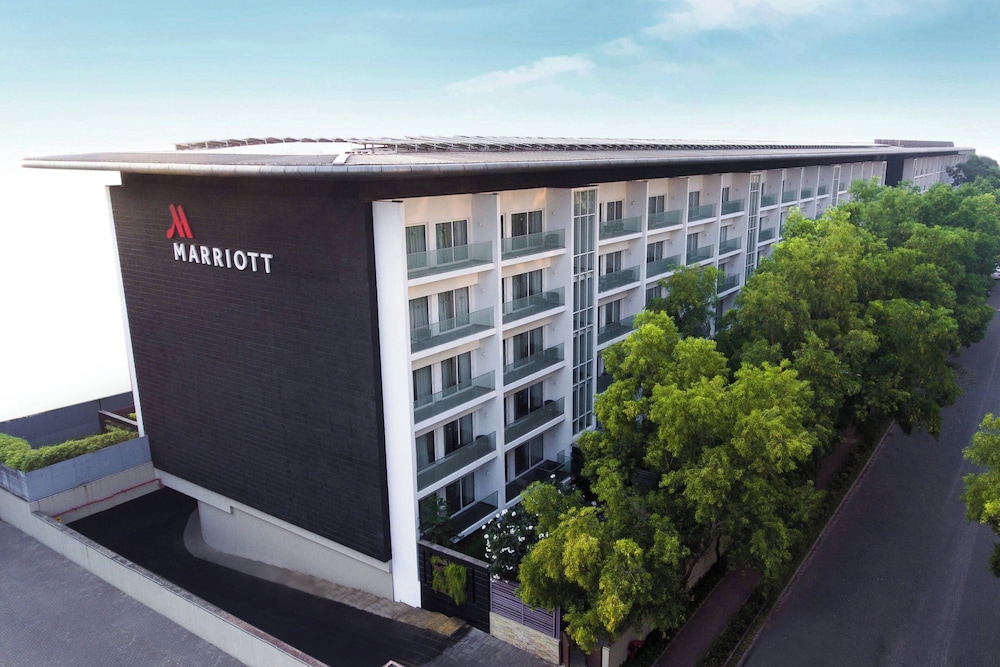
Pune from Gandhinagar
A guide for travellers from Gandhinagar to Pune. Covers flights, areas to stay, things to do, food and getting around.

Getting there from Ahmedabad
Pune International Airport (PNQ) receives non-stop flights from Sardar Vallabhbhai Patel International Airport (AMD) in Ahmedabad. The flight takes about 1 hour 20 minutes. Check current schedules as frequencies change. From Gandhinagar, allow 30 to 45 minutes to reach AMD by road. The route is straightforward via the Ahmedabad-Gandhinagar highway. No passport is needed for Indian citizens. Carry a government photo ID for flight check-in. The airport is about 10 kilometres north-east of central Pune. From the airport, you can take a pre-paid taxi or use a ride-hailing app to reach your accommodation.
Pune is roughly 520 kilometres in a straight line from Ahmedabad. The flight is the most practical option for most travellers. Direct flights operate regularly, but schedules vary by season. Book early for better availability, especially during festivals. The journey from Gandhinagar to AMD is well connected by road. Taxis and private vehicles are common. Allow extra time for traffic on the highway. Once at Pune airport, the city is accessible within 20 to 30 minutes by road.
Areas to stay
Koregaon Park is a popular area with many restaurants and cafes. It is close to the Osho International Meditation Resort. Viman Nagar is near the airport and has many hotels. Baner and Hinjewadi are good for business travellers, especially those visiting IT parks. Each area has its own character and range of accommodation options. The Old City (Shaniwar Peth, Budhwar Peth) offers a more traditional experience. It is close to historical sites like Shaniwar Wada and the Dagdusheth Halwai Ganpati temple. This area has many budget-friendly lodgings and street food stalls.
Choose your area based on your itinerary and budget. Koregaon Park is leafy and upmarket, ideal for dining and nightlife. Viman Nagar is convenient for the airport and shopping malls. The Old City is historic and central, with easy access to attractions. Baner and Hinjewadi are quieter and suit those working in tech parks. All areas are well connected by roads and public transport. Consider proximity to your planned activities when deciding where to stay.
- Koregaon Park: leafy, upmarket, good for dining.
- Viman Nagar: convenient for airport and malls.
- Old City: historic, budget-friendly, central.
What to do
Pune has a mix of history and modern culture. Visit Shaniwar Wada, the 18th-century Peshwa palace. The Aga Khan Palace is a memorial to Mahatma Gandhi. The Raja Dinkar Kelkar Museum has a large collection of artefacts. The Pataleshwar Cave Temple is a rock-cut temple from the 8th century. These sites offer a glimpse into the region's past. For outdoor activities, visit the Sinhagad Fort, about 30 kilometres south-west of the city. The hill fort offers views and trekking. The Bund Garden and the Pune-Okayama Friendship Garden are good for walks.
The city is also known for its Ganeshotsav celebrations in August–September, when the streets come alive with processions and music. The festival is a major cultural event. Other attractions include the Parvati Hill temple, which offers panoramic views. The Osho International Meditation Resort in Koregaon Park is a serene space for meditation. The National Defence Academy (NDA) campus is also nearby. Plan your days to balance history, nature and culture.
- Shaniwar Wada: a historic palace with a light-and-sound show.
- Aga Khan Palace: a memorial to Gandhi and Kasturba.
- Sinhagad Fort: a popular trekking destination.
Food
Pune's food scene is diverse. Try the Maharashtrian thali, which includes varan bhat, usal, and puran poli. Street food includes misal pav, vada pav, and bhel puri. The city is also known for its bakeries, especially in Koregaon Park and Camp area. Many cafes serve global cuisine alongside local favourites. For a sweet treat, try shrikhand or amrakhand. The Camp area has Iranian cafes that serve bun maska and chai. Vegetarian food is widely available across the city.
Always check the hygiene of street food vendors before eating. Pune's food is a highlight of any visit, with something for every palate. The city's culinary traditions reflect its Maharashtrian roots and cosmopolitan population. Local specialities like sabudana khichdi and batata vada are also worth trying. For a filling meal, a thali offers a complete experience. Many eateries serve breakfast items like poha and upma. Pune's food culture is accessible and varied.
Getting around and practical tips
Pune has a metro system (Pune Metro) that connects some parts of the city. Auto-rickshaws are common; agree on the fare before starting the journey. Ride-hailing apps are widely used. Buses run by PMPML cover most areas. The city is large, so plan travel time accordingly. Traffic can be heavy during peak hours. The best time to visit is October to February. The monsoon (June to September) makes the city green but can cause traffic delays. Carry an umbrella during the rainy season.
English is widely understood in tourist areas. Pune is generally safe for solo travellers, but take usual precautions at night. Use registered taxis or ride-hailing apps for late travel. The city has a good police presence in tourist areas. For short distances, walking is an option in central areas. Keep a copy of your hotel address in Marathi for rickshaw drivers. Pune's weather is pleasant in winter, so pack light layers. Summer months are hot, so plan sightseeing for early mornings or evenings.