Gandhinagar to Singapore
Direct flights from Ahmedabad reach Singapore in about 5 hours 45 minutes. This guide covers routes, entry rules, sightseeing, money and where to stay.
Getting There
From Gandhinagar, reach Sardar Vallabhbhai Patel International Airport in Ahmedabad, about 18–20 km from the sectors. Allow 30–40 minutes by road, longer in peak traffic. The airport has domestic and international terminals; check your airline's terminal before departure. Non-stop flights from AMD to Singapore Changi Airport operate on select days, taking roughly 5 hours 45 minutes. Connecting flights via hubs such as Mumbai, Delhi or Dubai are more frequent and take 8–12 hours including layover. Always check the current schedule, as frequencies change seasonally.
Changi Airport is one of the world's best-connected airports. It has four terminals linked by a free skytrain. If you have a layover, you can explore the airport's gardens, cinema and butterfly garden. Immigration clearance is efficient, but queues can build at peak hours. After clearing customs, follow signs to the MRT station or taxi stands. The airport is about 20 km east of the city centre.
- Non-stop flights are the quickest option, but may not run daily.
- Connecting flights via Gulf hubs often have convenient evening departures.
- Book early for better seat selection and fare options.
Entry Rules
Indian passport holders need a Singapore visa before travel. Apply through an authorised agent or the High Commission of Singapore in India. The visa is usually a multiple-entry tourist visa valid for up to 2 years, but each stay is limited to 30 days. Check the Immigration and Checkpoints Authority (ICA) website for the latest rules. You must have a passport valid for at least six months from your date of arrival. Carry proof of onward travel, hotel bookings and sufficient funds. The ICA may ask for these at immigration. Visa processing takes about 3–5 working days, so apply well in advance.
Singapore has strict laws on drugs, chewing gum and public behaviour. Penalties are severe. Declare any dutiable goods at customs. The country has a low crime rate, but keep your belongings secure. Health insurance is recommended, as medical costs are high. The tap water is safe to drink. Emergency numbers are 999 for police and 995 for ambulance.
When to Go
Singapore is warm and humid year-round, with temperatures around 27–32 °C. The dry season from February to April offers the most sunshine. November to January is wetter but still pleasant, with occasional showers. Avoid the peak tourist season in December if you prefer fewer crowds. The city hosts major events like the Grand Prix in September and the Great Singapore Sale in June–July. If you plan to attend, book flights and hotels early. For a relaxed visit, choose the shoulder months of February or November.
The monsoon season from November to January brings heavy but short downpours. These often clear quickly, leaving the air fresh. The Chinese New Year period in January or February sees many closures, but also decorations and street celebrations. The Hindu festival of Deepavali, usually in October or November, lights up Little India. Check the festival calendar before booking.
Where to Go
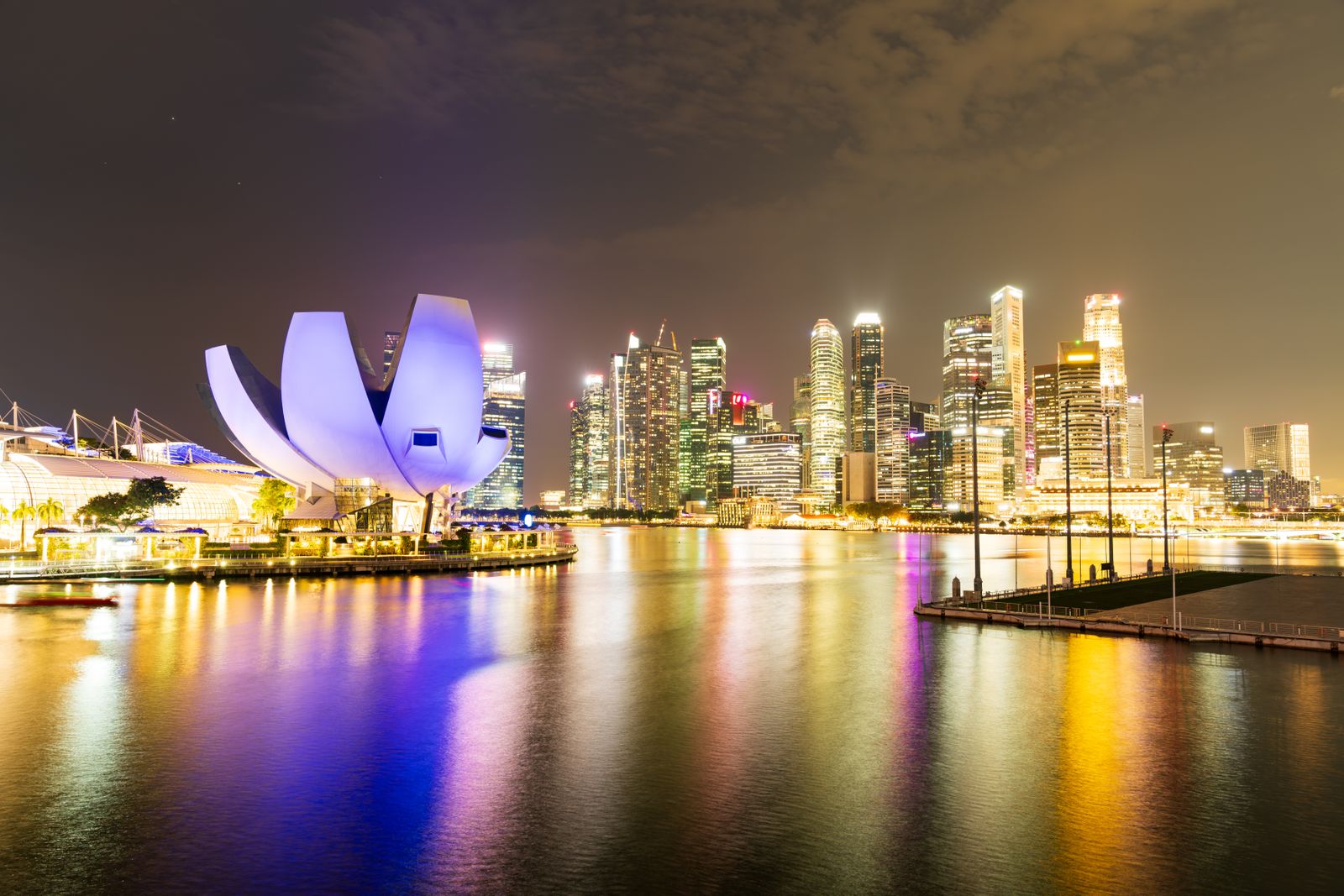
Singapore packs many sights into a small area. Start at Marina Bay, where the iconic hotel with the rooftop pool and the Merlion statue are. Walk across the Helix Bridge to Gardens by the Bay, a futuristic park with giant supertrees and two cooled conservatories. An entry fee applies for the conservatories. Sentosa Island offers beaches, a cable car and theme parks. For culture, visit Chinatown, Little India and Kampong Glam, each with temples, shops and food stalls. The Singapore Botanic Gardens, a UNESCO site, is free to enter and ideal for a stroll. Orchard Road is the main shopping street, with malls and department stores.
For a taste of local life, visit a hawker centre. These open-air food courts serve affordable dishes from Chinese, Malay, Indian and Peranakan cuisines. Popular dishes include chicken rice, laksa, roti prata and satay. The Maxwell Food Centre in Chinatown and the Lau Pa Sat in the financial district are well-known. The National Museum of Singapore and the ArtScience Museum offer indoor cultural experiences. The Singapore Zoo and Night Safari are a short drive north of the city.
- Marina Bay Sands and the Merlion are must-see landmarks.
- Gardens by the Bay is best in the evening when the supertrees light up.
- Sentosa has a cable car, beaches and a universal studios theme park.
- Little India and Chinatown offer authentic food and heritage.
Money and Practical Tips
The currency is the Singapore dollar (SGD). Credit and debit cards are widely accepted, but carry some cash for hawker centres and small shops. ATMs are plentiful. Notify your bank of your travel dates to avoid card blocks. English is widely spoken. The tap water is safe to drink. Tipping is not customary; a service charge is usually added in restaurants. Public transport is efficient; consider getting an EZ-Link card for buses and trains. Mobile data is cheap; buy a local SIM at the airport or use free Wi-Fi in malls.
Singapore has a low crime rate, but petty theft can occur in crowded areas. Keep your wallet and phone secure. The country is very clean; fines apply for littering, spitting and smoking in prohibited areas. The MRT runs from about 5:30 am to midnight. Taxis are metered, but ride-hailing apps are common. The climate is hot and humid, so carry a water bottle and wear light clothing. Sunscreen and sunglasses are useful.
Booking a Stay
Singapore's hotels range from budget hostels to luxury high-rises. Areas like Marina Bay, Orchard Road and Bugis are convenient for first-time visitors. Marina Bay is close to major attractions, while Orchard Road suits shoppers. Little India and Chinatown offer mid-range options with local character. Book well in advance, especially for weekends and public holidays. Compare prices on hotel booking sites and check cancellation policies. Consider serviced apartments if you need more space. Always read recent guest reviews for cleanliness and location.
For a quieter stay, consider the suburbs like Tiong Bahru or Katong. These areas have local cafes and heritage shophouses. The MRT connects them to the city centre in 15–20 minutes. If you are on a tight budget, hostels in the Little India and Bugis areas offer dormitory beds. Some hotels have rooftop pools and gyms. Check if your hotel provides a free shuttle to the MRT station. Always confirm check-in times and luggage storage options.