Bangkok from Gandhinagar: where to stay and what to do
A guide for travellers from Gandhinagar to Bangkok, with advice on flights, accommodation, sights, food and local transport.
Getting there from Ahmedabad
Non-stop flights connect Sardar Vallabhbhai Patel International Airport (AMD) in Ahmedabad to Bangkok’s two airports: Suvarnabhumi (BKK) and Don Mueang (DMK). The flight takes about four hours and forty-five minutes. Always check current schedules, as airlines change frequencies seasonally. The straight-line distance is roughly 3,110 kilometres. From Gandhinagar, allow about thirty to forty minutes by road to AMD. Plan to arrive at the airport at least two and a half hours before departure for international flights. Bangkok is one hour and thirty minutes ahead of India (IST). Most flights arrive at Suvarnabhumi, the main international hub, while some budget carriers use Don Mueang. Both airports have metro or rail links into the city.
Book flights for November to February for the most comfortable weather in Bangkok. The dry season offers cooler temperatures and lower humidity, making sightseeing more pleasant. During the hot season from March to May, temperatures often exceed 35 °C. The rainy season from June to October brings short but heavy downpours. Carry an umbrella if travelling then.
Areas to stay in Bangkok
Sukhumvit is a long, busy corridor with hotels, restaurants and nightlife. It suits first-time visitors who want convenience and variety. Silom is the financial district, quieter on weekends, with good transport links and street food. Riverside offers a more relaxed setting with views of the Chao Phraya River and ferry access to many temples. Siam is the shopping hub, with large malls and the Skytrain station at its centre. Old Town (Rattanakosin) contains the Grand Palace and major temples; accommodation here is limited but atmospheric.
Choose an area close to a BTS Skytrain or MRT station; traffic in Bangkok is heavy. For a longer stay, Sukhumvit or Silom offer the widest range of options. Riverside is ideal for those who prefer a quieter atmosphere with river views. Siam is best for shoppers and those who want to be near the city's main commercial district. Old Town suits travellers interested in history and culture.
- Sukhumvit: busy, convenient, wide range of hotels.
- Silom: financial district, quieter on weekends.
- Riverside: relaxed, ferry access to temples.
- Siam: shopping hub, central Skytrain station.
- Old Town: historic area, near Grand Palace.
What to do in Bangkok
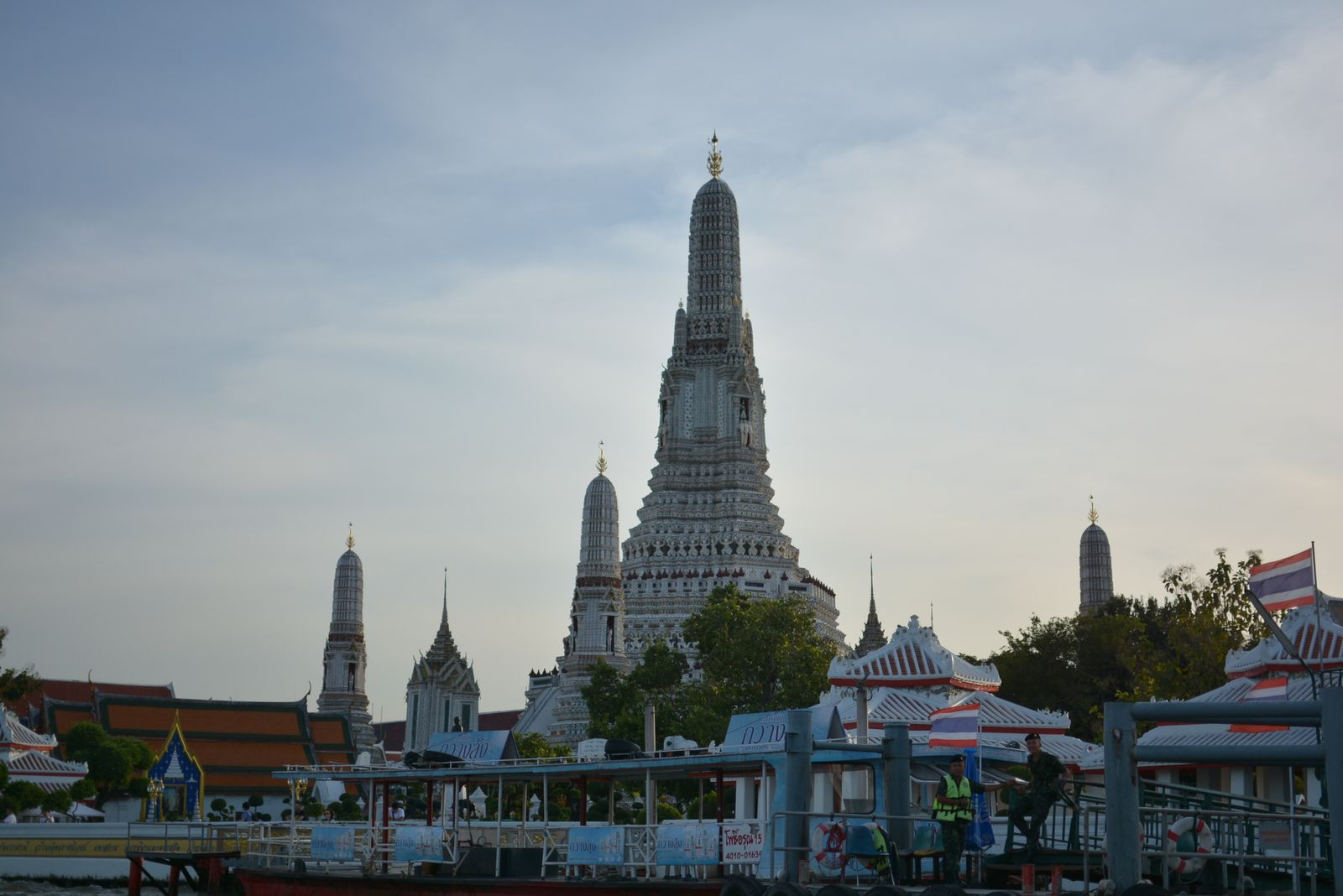
Visit the Grand Palace and Wat Phra Kaew (Temple of the Emerald Buddha) in Old Town. Wat Pho, with its reclining Buddha, is nearby. Wat Arun (Temple of Dawn) stands across the river. These are the most famous temples; dress modestly and check opening hours. The city also has many smaller temples worth a short visit. Explore the floating markets such as Damnoen Saduak or Taling Chan. Chatuchak Weekend Market is a vast bazaar with clothes, antiques and street food.
For a quieter experience, take a canal boat through the old neighbourhoods. The riverside and sky bars offer evening views. Bangkok is also a gateway to the southern islands; buses and flights connect to Phuket, Koh Samui and Krabi. Consider a day trip to Ayutthaya, the former capital, with its ancient temple ruins. The city also has several museums, including the Bangkok National Museum and the Jim Thompson House.
Food in Bangkok
Thai cuisine is known for its balance of sweet, sour, salty and spicy flavours. Pad Thai (stir-fried noodles), tom yum goong (spicy shrimp soup) and green curry are classics. Street food is a major part of the food culture; try som tam (papaya salad) and mango sticky rice for dessert. Vegetarian options are widely available; ask for 'jay' food. Bangkok has food courts in malls and markets, as well as dedicated street food districts such as Yaowarat (Chinatown) and Khao San Road.
Fresh fruit shakes and coconut ice cream are common. Most dishes are served with rice or noodles. Avoid tap water; drink bottled or filtered water. For a local breakfast, try jok (rice porridge) with a poached egg. Thai desserts include khao niew mamuang (mango sticky rice) and tub tim krob (water chestnuts in coconut milk). The variety of flavours and ingredients makes eating in Bangkok a highlight of any visit.
- Pad Thai: stir-fried rice noodles with shrimp.
- Tom yum goong: hot and sour shrimp soup.
- Green curry: coconut-based curry with vegetables.
- Som tam: spicy green papaya salad.
- Mango sticky rice: sweet dessert with coconut milk.
Getting around and practical tips
Bangkok has two rail systems: the BTS Skytrain and the MRT metro. They cover most central areas and are efficient. Taxis are plentiful; insist on the meter or agree a fare beforehand. Tuk-tuks are short-distance options; negotiate the price before the ride. River ferries and canal boats are useful for reaching Riverside and Old Town. Download a ride-hailing app for convenience; it works like similar services in other cities.
The best time to visit is November to February, when the weather is cooler and drier. March to May is very hot, with temperatures often above 35 °C. June to October is the rainy season; downpours are usually short but heavy. Carry an umbrella. Thailand uses Thai baht; credit cards are accepted in hotels and malls, but cash is needed for street food and markets. Learn a few basic Thai phrases such as 'hello' (sawasdee) and 'thank you' (khob khun).


