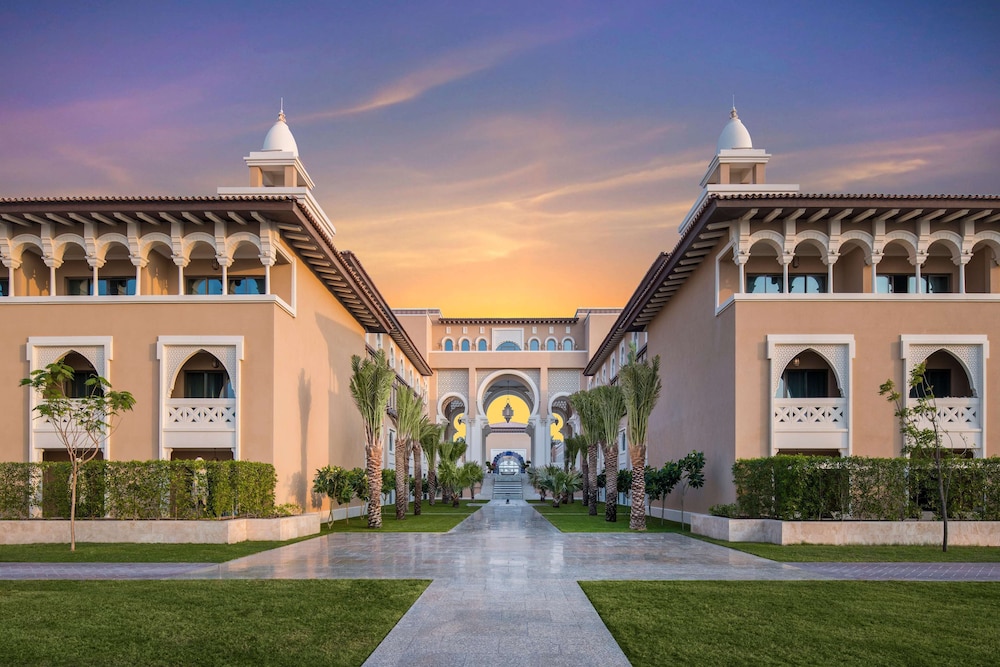
Abu Dhabi from Gandhinagar: where to stay
Capital to capital: a guide for business travellers heading from Gujarat to the UAE’s seat of government.

Abu Dhabi is the UAE’s capital and its largest emirate, home to government ministries, energy companies and the Abu Dhabi Global Market (ADGM) financial centre. For anyone used to GIFT City, ADGM on Al Maryah Island will feel familiar.
Where to stay
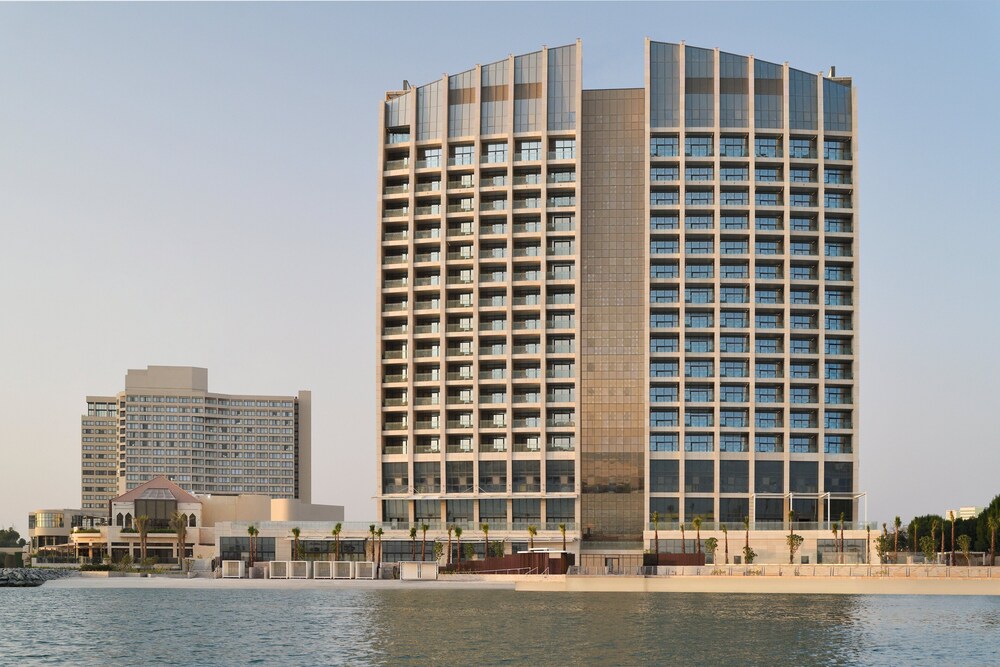
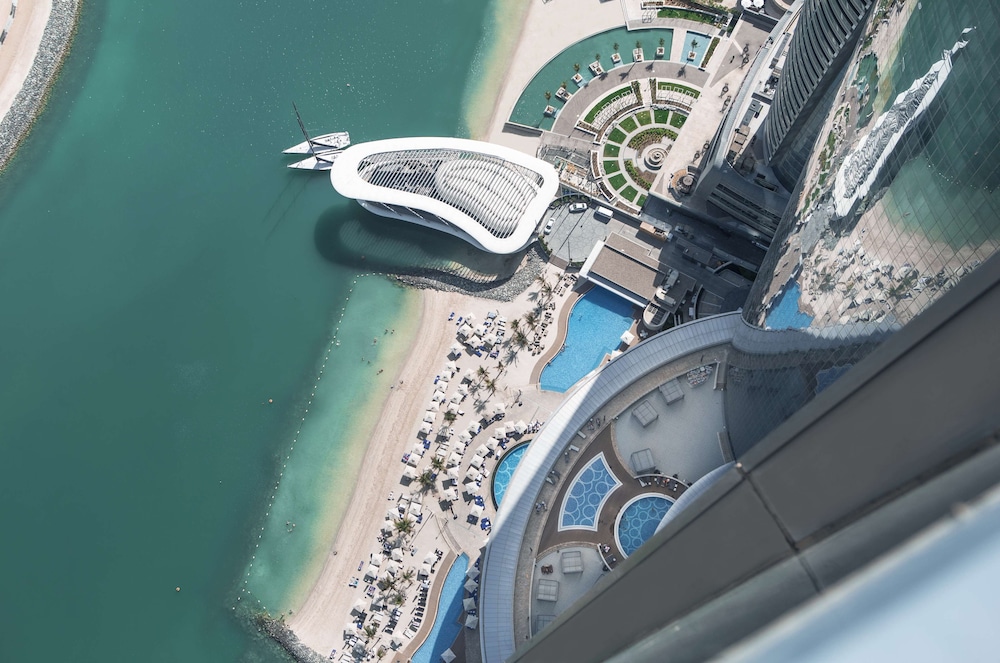
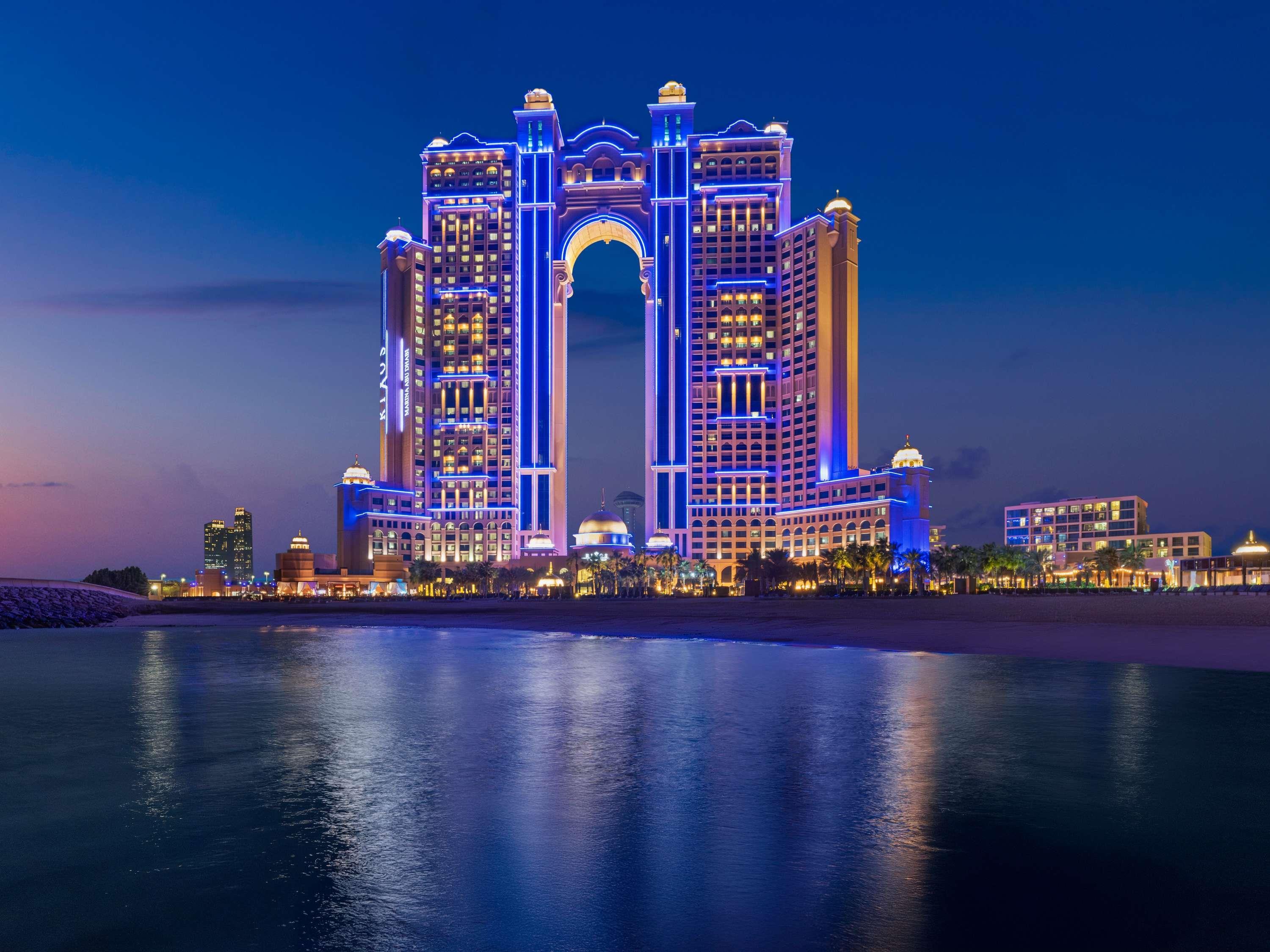
- Al Maryah & Reem Islands — ADGM offices, waterfront towers and malls.
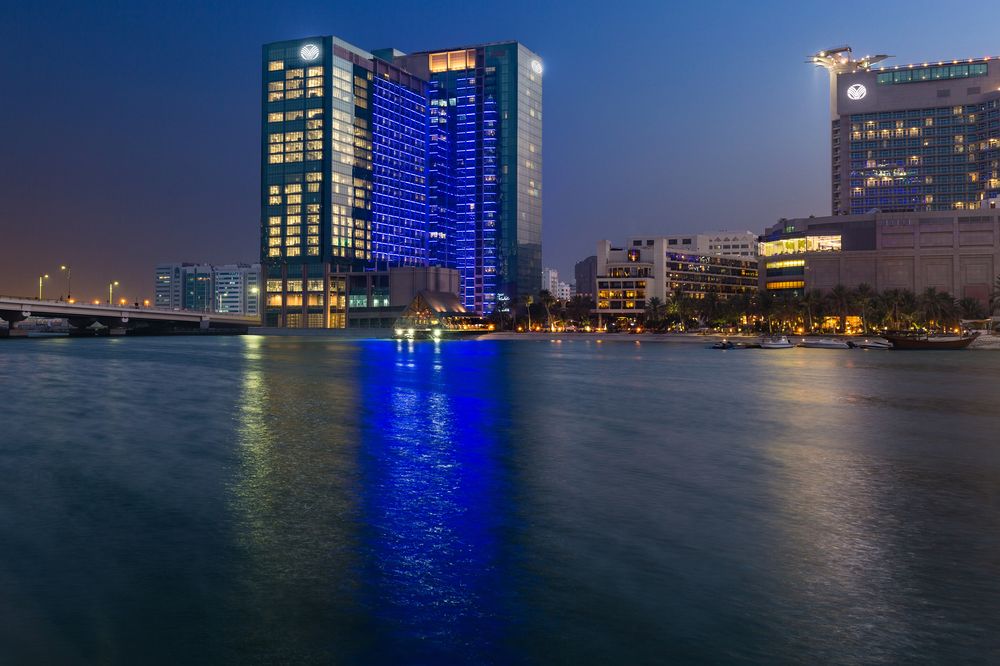
- The Corniche — sea views and older landmark hotels near downtown.
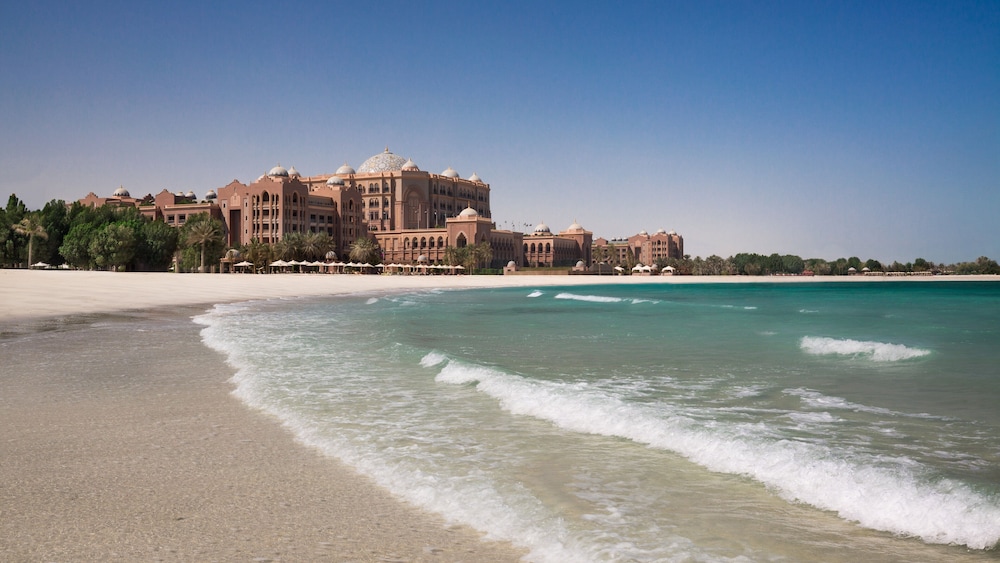
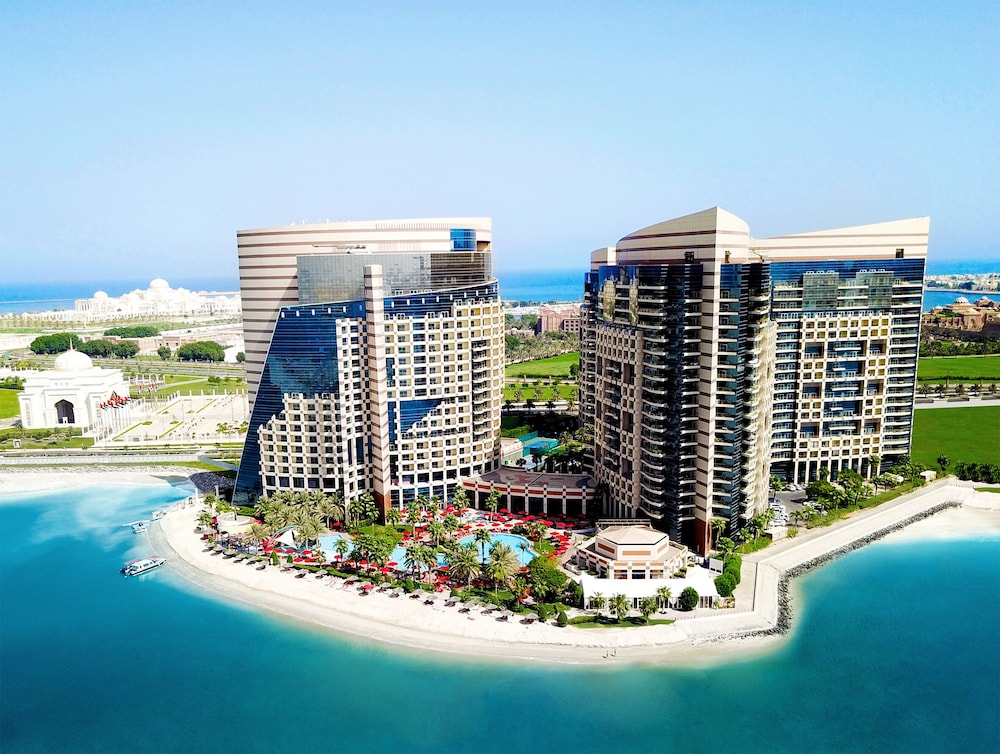
- Saadiyat Island — beaches, the Louvre Abu Dhabi and resort hotels.
- Yas Island — theme parks and the F1 circuit; handy for the airport.
What to see
- Sheikh Zayed Grand Mosque — dress modestly; visits are free with advance booking.
- Louvre Abu Dhabi on Saadiyat.
- Qasr Al Watan, the presidential palace.
- Mangrove kayaking off the eastern islands.
A three-day business plan
- Day 1 — Land at AUH, check in on Al Maryah or Reem Island, afternoon meetings at ADGM, dinner at the Galleria promenade.
- Day 2 — Meetings; late afternoon at the Sheikh Zayed Grand Mosque; sunset on the Corniche.
- Day 3 — Morning at Louvre Abu Dhabi on Saadiyat; lunch; transfer to AUH for the evening flight to AMD.
The Sheikh Zayed Grand Mosque
Completed in 2007, the Grand Mosque is one of the world’s largest, with 82 domes, white marble inlaid with semi-precious stones and one of the biggest hand-knotted carpets ever made. Entry is free but usually requires online booking. Dress modestly: long sleeves and trousers or long skirts; women must cover their hair (abayas are available). Sunset visits are especially beautiful.
Getting around Abu Dhabi
Abu Dhabi has no metro; taxis and ride-hailing apps are the norm and reasonably priced. Public buses cover the main island. The city is spread across islands linked by bridges, so allow 20–30 minutes between districts. From AUH, the city centre is about 30 minutes by taxi.

Food
Emirati cuisine — machboos, harees, luqaimat — is worth trying in heritage restaurants. Indian vegetarian food is widely available, especially around Hamdan Street, Electra Street and Mussafah. Hotel restaurants serve alcohol; outside them, it is limited to licensed venues.
Weather and timing
November to March is pleasant, with highs in the 20s °C. Summers are extremely hot and humid but hotels are cheaper. Abu Dhabi hosts the Formula 1 Grand Prix at Yas Marina, usually in late November or December — hotel prices spike that week.
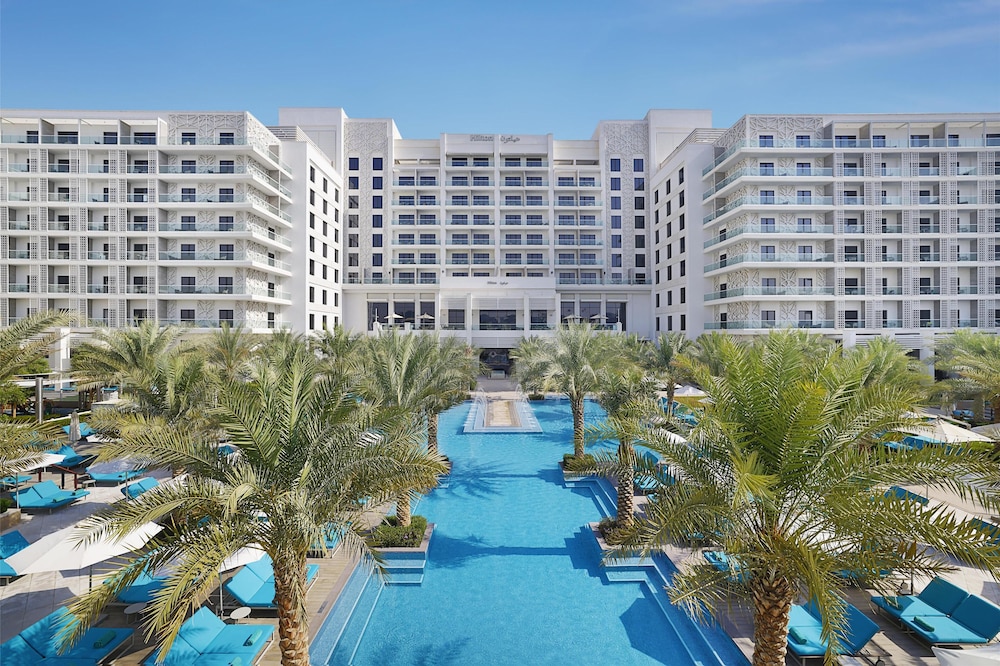
Where to stay, compared
- Al Maryah Island — best for ADGM and finance meetings.
- Reem Island — residential towers and serviced apartments; good for longer stays.
- The Corniche and downtown — older hotels, sea views, close to government offices.
- Saadiyat Island — beach resorts and museums; ideal for adding leisure days.
- Yas Island — near the airport, theme parks and the F1 circuit.
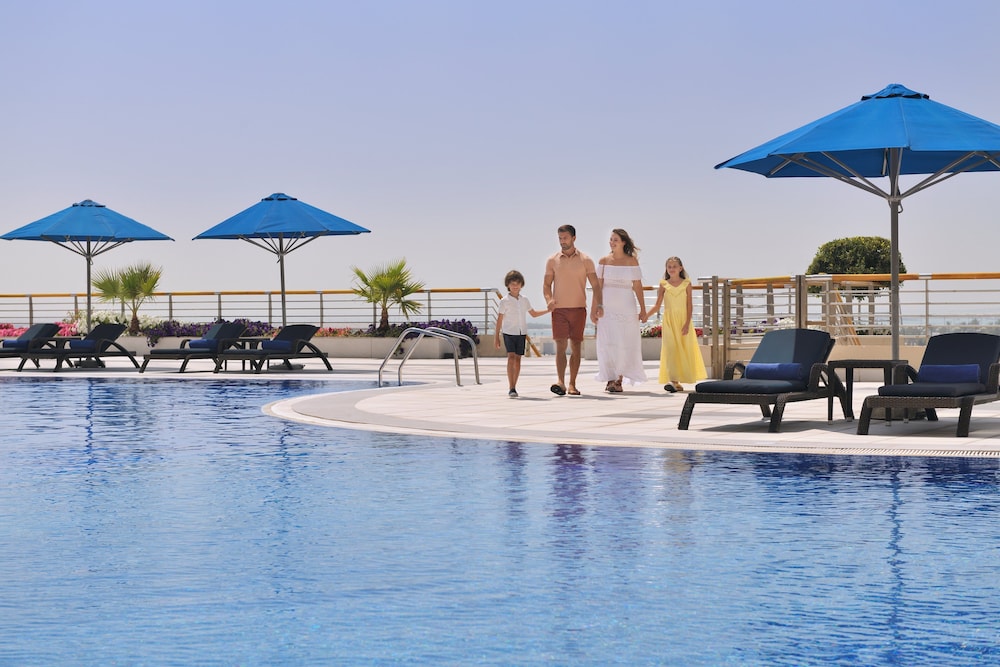
Book your Abu Dhabi hotel on IMPT for the same price as elsewhere and fund verified climate action with every stay.
Practical Travel Tips
When visiting Gandhinagar, plan your trip between November and February for the best weather. The city's grid layout makes it easy to navigate by road, but public transport options are limited. You can hire a taxi or use ride-sharing apps for local travel. The Ahmedabad Metro extension reaches some sectors, but check the current service before relying on it. Accommodation is available in various sectors, but avoid naming specific hotels. For food, Gujarati thali is a must-try, and many eateries serve it. Since Gujarat is a dry state, alcohol is not widely available, except in GIFT City with special permissions. Always check the current rules before travelling. Carry a water bottle and sunscreen during summer months. The city is generally safe for solo travellers, but keep valuables secure. Learn a few Gujarati phrases to connect with locals. The Adalaj stepwell is a short drive away and worth a visit. Plan your itinerary to include both modern and historical sites for a balanced experience.
Gandhinagar's calm atmosphere makes it a good base for exploring the region. The city's wide roads and green belts are pleasant for cycling or walking, though traffic is light. You can visit the Indroda Nature Park for a day out, or the Sarita Udyan for a quiet evening. The Akshardham temple complex has an evening show, but check timings and photography rules. The Mahatma Mandir hosts events throughout the year, so check the schedule. For shopping, local markets sell handicrafts and textiles. Avoid peak summer heat by planning outdoor activities early or late in the day. The city's proximity to Ahmedabad allows you to explore historical sites like the Adalaj stepwell. Use the metro or taxis for inter-city travel. Always confirm current transport schedules and fees before setting out.
Cultural and Historical Context
Gandhinagar's design reflects a blend of Indian and international planning principles. The city was named after Mahatma Gandhi, and its layout prioritises community spaces and green areas. The Akshardham temple complex and Mahatma Mandir are key landmarks that host cultural events and exhibitions, offering insights into Gujarat's heritage. The city's grid system, inspired by Chandigarh and Abu Dhabi, creates a sense of order and spaciousness. The Dandi Kutir museum beside Mahatma Mandir tells the story of Gandhi's life and the Salt March. The Gujarat Global Investment Summit, held in January, brings international attention to the city's development. The city's planned nature contrasts with the organic growth of Ahmedabad, offering a different perspective on urban life in Gujarat. The Adalaj stepwell, a five-storey structure from 1498, is a short drive away and showcases intricate stone carvings.
Gandhinagar's cultural life is shaped by its role as a capital. The city hosts government offices and diplomatic missions, giving it a formal character. The Trimandir temple near Adalaj stepwell is a modern Jain temple with a unique architecture. The city's festivals, like Uttarayan in January, are celebrated with kite flying and community events. The Sabarmati River provides a natural boundary and recreational areas, like Indroda Nature Park. The park has a dinosaur fossil park and deer park, popular with families. The city's green belts are home to diverse bird species, making it a good spot for birdwatching. The local cuisine is vegetarian, with dishes like dhokla and thepla widely available. The city's calm atmosphere and planned layout make it a pleasant place to explore at a leisurely pace. The proximity to Ahmedabad adds historical depth to any visit.