Dubai from Gandhinagar: Where to Stay and What to Do
A direct flight from Ahmedabad takes you to Dubai in under three hours. This guide covers where to stay, what to do, and how to plan your trip from Gandhinagar.
Getting There from AMD
Sardar Vallabhbhai Patel International Airport in Ahmedabad is about 18–20 km from Gandhinagar. Several airlines operate direct flights to Dubai International Airport. The flight takes roughly 2 hours and 50 minutes. Check current schedules before booking as timings and frequencies change. You can reach the airport from Gandhinagar by taxi or private car. Allow at least an hour for the drive during normal traffic. The airport has parking, but for longer trips a drop-off is simpler. Arrive at least two hours before departure for international flights. The airport offers basic amenities such as lounges, shops, and food outlets. Consider booking your flight well in advance, especially during the winter peak season and around major holidays, to secure a seat at a reasonable fare.
Once you land at Dubai International Airport, immigration procedures are generally efficient. You will need a valid passport and a visa unless you qualify for visa on arrival. The airport has three terminals, with most flights from India arriving at Terminal 1 or 2. From the airport, you can take the Dubai Metro, a taxi, or a ride-hailing service to your accommodation. The metro connects directly to key areas such as Deira, Bur Dubai, and Downtown. Taxis are metered and available at the ranks outside each terminal. If you have a late-night arrival, pre-book a transfer or check the metro timings, as services may be limited after midnight.
Areas to Stay
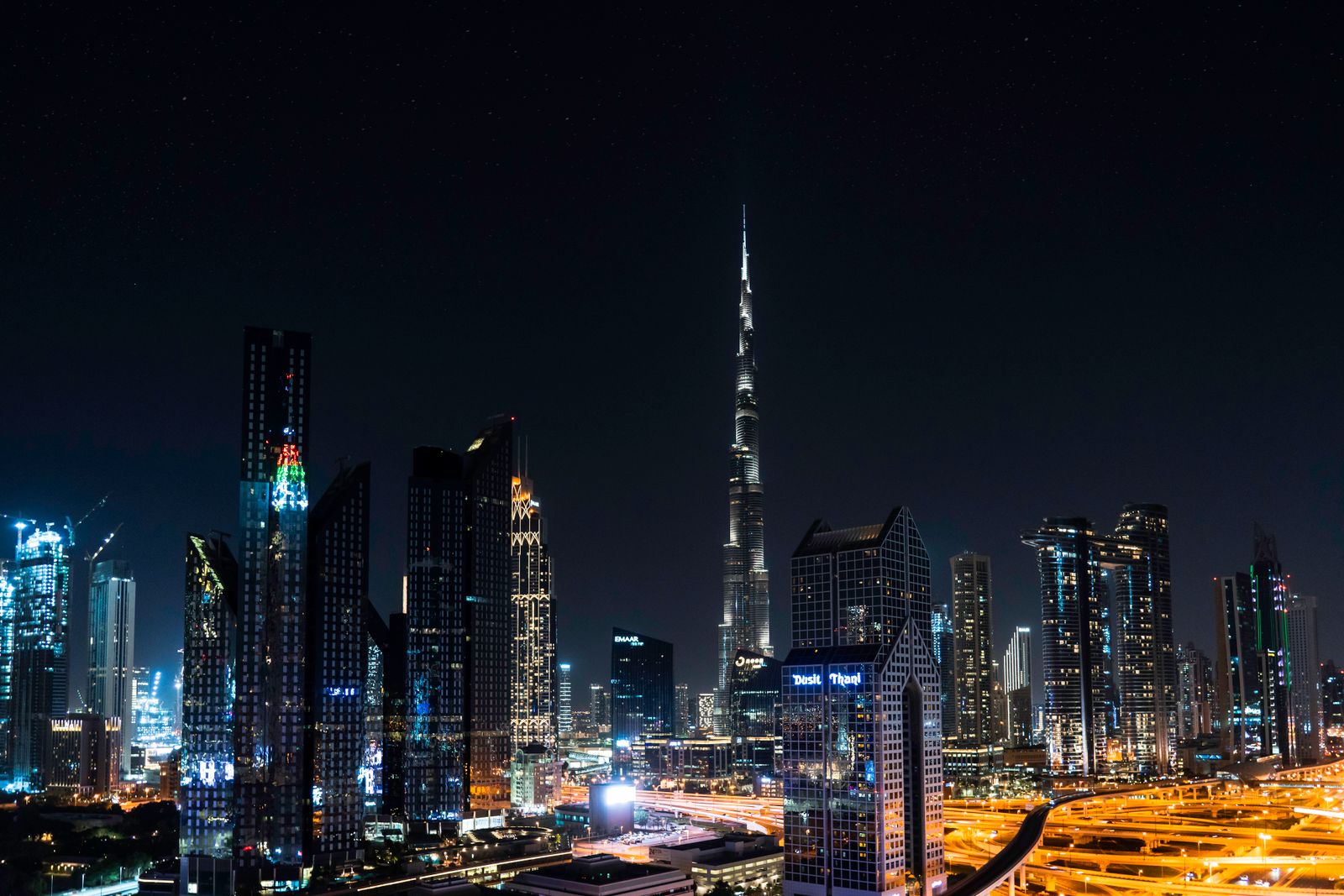
Downtown Dubai is the heart of the city, with the Burj Khalifa and Dubai Mall nearby. It suits first-time visitors who want easy access to major attractions. Dubai Marina offers a waterfront setting with restaurants and a promenade. It is popular for its modern vibe and proximity to JBR Beach. Deira and Bur Dubai are older districts with traditional souks and more budget-friendly options. They give a sense of old Dubai. Jumeirah is a coastal area with beachfront hotels and a relaxed atmosphere. Choose an area based on your itinerary and preferred pace. Each district has its own character and range of accommodation, from luxury towers to modest guesthouses.
Downtown is ideal if you plan to spend most of your time sightseeing around the city centre. Dubai Marina is better for those who enjoy waterfront dining and evening strolls. Deira and Bur Dubai are close to the creek and historic sites, and they offer a more local experience. Jumeirah is quieter and good for beach lovers. Consider the proximity to metro stations when choosing your area, as this will affect your ease of getting around. Many hotels in all areas offer airport transfers, but check the cost and availability. For a longer stay, serviced apartments are available in several districts, providing kitchen facilities and more space.
- Downtown: central, close to landmarks.
- Dubai Marina: modern, waterfront dining.
- Deira: traditional souks, lower cost.
- Bur Dubai: cultural mix, museums.
- Jumeirah: beachfront, quieter.
What to Do
Dubai is known for its skyscrapers, shopping, and desert landscapes. Visit the Burj Khalifa for a view from the top. The Dubai Mall offers shopping, an aquarium, and an ice rink. Explore the historic Al Fahidi neighbourhood and the Dubai Museum. Take an abra ride across Dubai Creek. A desert safari is a common activity: dune bashing, camel rides, and a barbecue dinner under the stars. The Gold Souk and Spice Souk in Deira are good for browsing. For a quieter day, visit the beaches at Jumeirah or Kite Beach. Dubai also serves as a hub for onward flights to Europe. Many visitors combine a stopover in Dubai with a longer journey.
For a cultural experience, visit the Sheikh Mohammed Centre for Cultural Understanding or the Etihad Museum. The Dubai Frame offers a perspective on the city's past and future. If you are interested in modern architecture, a walk through Dubai Marina or a visit to the Palm Jumeirah is worthwhile. Water parks such as Aquaventure and Wild Wadi are popular with families. Evening activities include dhow cruises on the creek or marina, and visiting the Dubai Fountain show outside the Dubai Mall. Shopping malls are open late, and many have entertainment options. Check opening hours and ticket availability online, as some attractions require advance booking.
- Burj Khalifa observation decks.
- Dubai Mall and its attractions.
- Desert safari with dune bashing.
- Gold and Spice Souks in Deira.
- Abra ride on Dubai Creek.
Food
Dubai offers a wide range of cuisines, from street food to fine dining. Traditional Emirati dishes include machboos (spiced rice with meat), harees (wheat and meat porridge), and luqaimat (sweet dumplings). Shawarma, falafel, and hummus are common Middle Eastern staples. Indian food is widely available, with many vegetarian options. For a local experience, visit a food court in a traditional souk or try a meal at a small eatery in Bur Dubai. Many hotels offer buffet dinners with international spreads. Dubai also has plenty of bakeries and cafés. Alcohol is available in licensed hotels and bars; check the rules as they vary by establishment and area.
Breakfast options include Iranian bread with cheese and honey, or a traditional Emirati breakfast of balaleet (sweet vermicelli) and chabab bread. For lunch or dinner, you can find everything from Lebanese mezze to Japanese sushi. Food courts in malls offer affordable meals from many cuisines. Street food such as samosas, pakoras, and fresh juice is common in older districts. If you are staying in a serviced apartment, you can shop at supermarkets and cook your own meals. Dubai has a strong food delivery culture, with apps delivering from a wide range of restaurants. Always check the hygiene ratings of smaller eateries if you are unsure.
Getting Around and Practical Tips
Dubai has a modern metro system that connects key areas: Downtown, Dubai Marina, Deira, and the airport. Taxis are widely available and metered. Ride-hailing apps also operate. The metro is efficient for avoiding traffic, especially during peak hours. A Nol card is used for all public transport. You can buy and top up Nol cards at metro stations and some shops. Buses complement the metro network, but they are less frequent. For short trips within a district, walking is often feasible, but pavements can be limited in some areas. Always carry a bottle of water, especially in warmer months.
The climate is hot for most of the year. November to March is the best time for outdoor activities. June to September is very hot, with temperatures often above 40 °C. Dress modestly in public places, though beachwear is fine at pools and beaches. Friday and Saturday are the weekend; many businesses close on Friday mornings. The local currency is the UAE dirham (AED). Exchange money at the airport or at exchange counters in the city; avoid exchanging on the street. Credit and debit cards are widely accepted. Tipping is common but not mandatory; a service charge is often included in restaurant bills. For emergencies, dial 999 for police and 998 for an ambulance.


